The Touch Factor

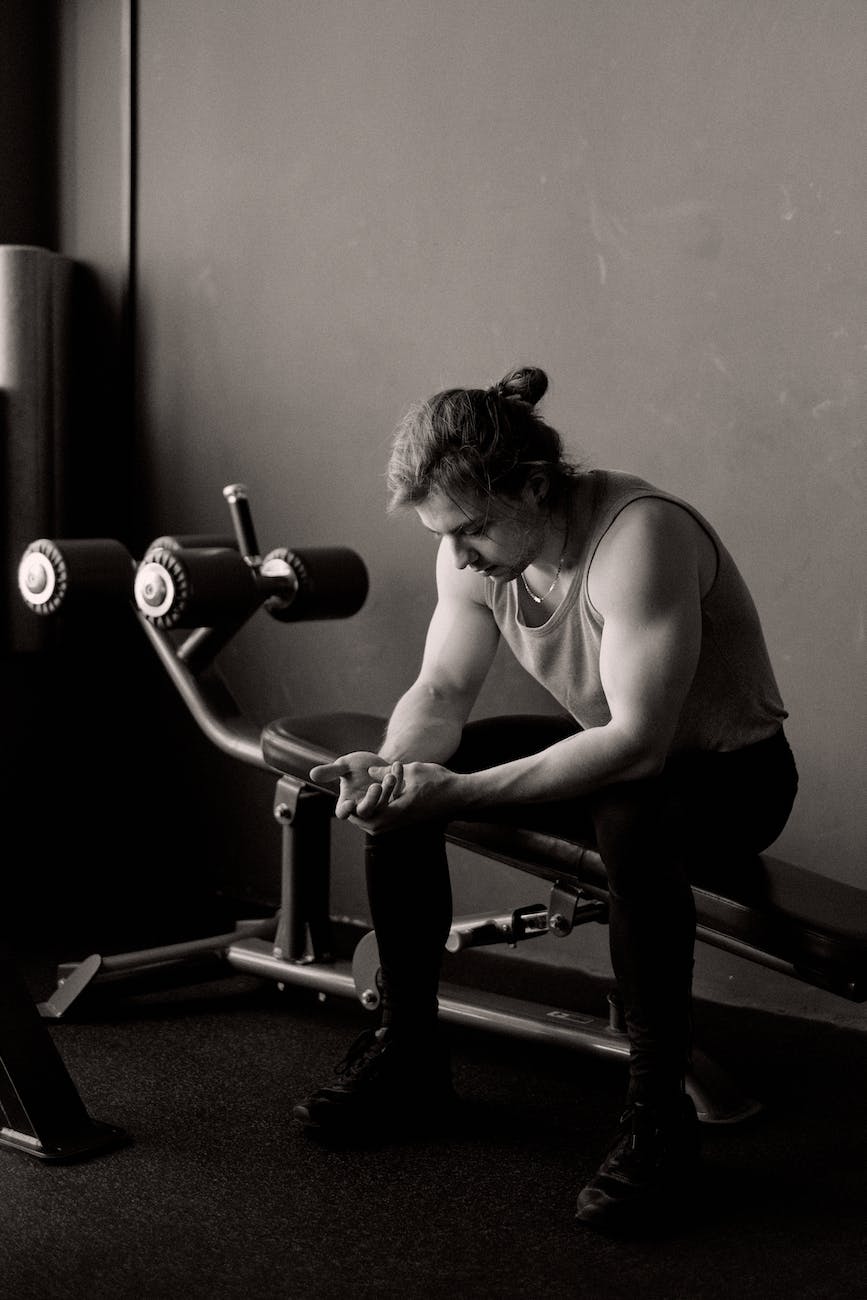
Photo by August de Richelieu on Pexels.com

Do you look forward to the moment you see a good friend, and anticipate the hug that will follow, imagining the love and joy you’ll feel as your arms reach around her and squeeze? Or, is it the opposite? Anxiety as you anticipate that obligatory hug? Discomfort and unease and hoping it will be over as quickly as possible?

I need to make a distinction here. There is a legitimate phobia of being touched that is beyond just uncomfortability. That fear is called Haphephobia. It’s defined as extreme, irrational distress over being touched by anyone, and it is immobilizing for many people. It’s symptoms can include nausea, vomiting, heart palpitations, sweating, hyperventilating, hives, and panic attacks. That’s not the kind of unease being addressed here. What I’m talking about is slightly less debilitating, but still very real. These are the people who say “I’m just not a hugger.”

Of course we’re not just talking about hugging, but all aspects of physical touch. And there are many different levels of this love/hate relationship. There is the extreme toucher who will grab someone they are meeting for the first time and hold on like its a long lost best friend. You’ve probably seen a scene like this in a movie. A young man is meeting his girlfriend’s parents for the first time and is nervous about how he will be perceived. He offers a “nice to meet you Mr. Smith,” and Mr. Smith says, “oh, get over here and give me a hug!” and proceeds to grip him firmly and hold on for dear life. And then on the other end of the spectrum is the person who hangs back, giving a simple, small wave–at a safe distance of course.

So I wondered. How come some people like it and some people don’t?

This question brings up the usual response when discussing many human characteristics: Genes, or Environment? The evidence regarding touch seems to lean more heavily on the side of environment. Studies have shown that how much you touch as an adult is directly linked to the amount of physical touch you received in childhood. A 2012 study published in Comprehensive Psychology found that people raised by frequent huggers were more likely to be huggers in adulthood. And the opposite is also true. If you were raised with little physical touch, you are likely to exhibit the same traits with your children.

There might be differences for men, versus women. In another study, published in Communication Monographs, researchers found that, in women, affectionate behavior can be explained 45% by hereditary and 55% by environmental influences. For men, affectionate behavior instead seems to be solely influenced by environmental factors. The study examined adult twins, comparing identical twins, who share both the same environment and 100% of the same genes, with fraternal twins, who share the same environment, but only 50% of the same genes (the same as other siblings). If genetics didn’t play any role, we would expect that the scores of people in fraternal twin pairs would be just as similar as the scores of people in identical twin pairs, who are more alike genetically. But that was not the case. The identical twin pairs scored more similarly than the fraternal twin pairs – at least in the case of women – suggesting that there is, in fact, a genetic component to affectionate behavior.

Part of the reason for a discrepancy between men and women may be that women, overall, tend to be more affectionate, perhaps the result of evolutionary forces. Still, in both cases environmental factors appear to play a bigger role.

Of course there are cases where the opposite is true: Some children grow up feeling starved for touch and end up being very demonstrative with family and friends later in life. I think I fall slightly into this category. While I always felt loved as a child, hugs and kisses were not part of our normal day. I have definitely tried to be different with my kids, and in addition to saying “I love you” every day, I have tried to hug and kiss them more than I experienced as a kid.

And yet. . . I have two children, and one will take any opportunity to grab a hug while the other will usually opt out. Hmmm. Similar genes, same environment. So whatever the dominant results are, as with most things in life, the studies don’t always bear out in reality.

Aside from the obvious factor of growing up with a family that was not physically demonstrative, what are some other environmental factors that could negatively affect your feelings toward physical touch?

  • Past trauma
  • Postpartum disorder
  • Stress
  • Lack of trust
  • Media
  • Personal relationships
  • Negative body image

And aside from the “hugging” gene, what are some genetic possibilities that might affect a person’s predisposition to touch? Neurodiverse spectrum seems to top the list. This covers many conditions including, but not limited to autism, aspergers, and ADHD. OCD is another possibility for a dislike of physical touch.

There also appear to be cultural differences. In one study conducted in coffee shops in different countries, findings showed that Americans touched approximately twice during a single conversation, but in France and Puerto Rico, that number was over 100.

So is one tendency better than the other? The answer to that appears to be a resounding YES!

Lack of physical touch can lead to an underdeveloped vagus nerve, a bundle of nerves that runs from the spinal cord to the abdomen. Research shows this can decrease your ability to be intimate or compassionate and can lead to an underdeveloped oxytocin system. Signals to the vagus nerve recognize any form of touch and release oxytocin –sometimes called the love hormone, or cuddle hormone. A lack of this release can hinder your ability to form human bonds, and this effect can be long lasting. A 2014 study of Romanian orphans who were hardly touched in the orphanage, found that those orphans, who were later adopted, did not display the expected rise in oxytocin when sitting on their parents laps, such as you might see in children who had this experience from birth.

Here are some other ways in which lack of physical touch can be harmful:

  • Lack of intimacy or intimacy avoidance
  • Lack of bonding
  • Feelings of unhappiness and depression
  • Anxiety
  • Difficulty sleeping
  • Low relationship satisfaction

On the flip side, the benefits of physical touch are numerous:

  • Feelings of happiness and pleasure
  • Feelings of being loved
  • Reduced stress
  • Reduced heart rate and blood pressure
  • Lack of depression due to oxytocin and serotonin
  • Higher self confidence
  • Feelings of reassurance, empathy, compassion from another person
  • Better immunity: A 2015 study by Carnegie Mellon showed that people who were hugged experienced a 32% boost in immunity
  • Lower levels of inflammation, a cause of many chronic health problems

Clearly physical touch has a positive impact on both our mental, and physical lives. So what should you do if you don’t like to hug, but would like to attempt to get the benefits of increased physical touch? Ease into it with less invasive forms of affection. Samantha Hess, a “professional cuddler,” runs a company that teaches people how to enjoy a platonic touch and claims to have 78 different poses to meet each individual’s comfort level. Try massage, holding and petting animals, getting your hair or nails done. We tend to think of hugging, but the benefits of physical touch apply to all types: A fist bump, back slapping, high fives and a simple hand touch on an arm can all create the same benefits. And these benefits extend to both individuals. Sit close to loved ones, try a hug with those who are closest to you. maybe a pat on the shoulder or back. You could even try a new activity like a team sport or dancing.

Of course we always want to be sensitive to others who may not like to hug. If you aren’t sure how others feel, reach out for a less invasive fist bump, or skip the contact altogether.

And if you’re already prone to physical touch, continue to encourage that tendency by reaching out for loved ones who you know would welcome it. Instead of just at bedtime, grab that hug any time, or try a pat on the back which works for encouragement, recognition, or sympathy. Younger kids also love a “secret handshake.” Let’s face it, you can’t perform a secret handshake without feeling happy and connected.

I know I said I’ve tried to be demonstrative with my kids, but the truth is, I don’t really want to touch or be touched by strangers, and I hate the fake hug with the pat, pat on the back with as little “real” touch as possible. However, even with people I’m meeting for the first time, I do enjoy a good, firm handshake, or a fist bump. To me those reflect friendliness and respect, which are always welcome.

But if you’re someone for whom I feel affection, give me a great big bear hug any day. And yes, you can squeeze.

Why Your Weight Workout Doesn’t Always Feel Like Progress

Photo by Ivan Samkov on Pexels.com

Some days, when I’m working out, I feel like I can go forever. Lift heavier weight, do more reps, last longer. And other days, I’m struggling with lower weights. What’s going on? Have I lost some of my endurance? Some muscle?

Fortunately, a less than stellar workout probably doesn’t mean you’ve lost some of your hard-earned rewards in the form of muscle or endurance. It takes about 2 months of not working out before you lose muscle/strength. So what’s the reason for the somewhat sluggish feeling we sometimes get when performing our normal workout?

There could be many reasons why a workout just doesn’t feel up to par on any given day.

Possibility number one: Water is King. Studies have shown that working out in a dehydrated state will result in inferior results. In addition to decreased results, working out while dehydrated can cause headaches, dizziness, low blood sugar, low blood pressure and nausea. Water is critical for so many functions within our bodies. Of particular interest to your workout routine, it regulates body temperature to prevent overheating, lubricates joints and muscles, maintains blood pressure, improves circulation, transports nutrients and oxygen throughout your body, prevents fatigue, and encourages sweating. So drink up before, during, and after your sweat session.

Nutrition is also important. Glycogen is the fuel source your muscles use for strenuous activity. Your muscles can only store so much glycogen, so it must be replenished in the form of carbohydrates. The most popular thinking is that you should fuel up one to three hours before your workout with healthy carbs (sweet potatoes, whole grains, fruits and vegetables), and then refuel with some protein within an hour post-workout. A study from the Journal of Strength and Conditioning found that athletes who limited their carb intake for two days to create a glycogen depletion displayed a significant decrease in the number of reps they could perform compared to their normal routine.

If you’re fasting, It’s okay to work out while fasting, but maybe until your body adjusts, you should stick to workouts that fall during your eating window. In particular, if you’re doing an intense workout, or a heavy weight lifting workout, try to do it following some carb intake, as opposed to deep into your fasting state.

In addition to carbs, vitamins and minerals play an important role in workout success. Thiamin, Niacin, and vitamins C and D prevent muscle breakdown, transport oxygen throughout the body, and can aid in muscle recovery. B vitamins, in particular, are important in your workouts as they convert carbs to energy. a lack of B vitamins can interfere with muscle performance and increase fatigue and likelihood of injury.

Sleep Quantity-Sleep is so important to all aspects of our health, but in particular, to our workouts. Research has shown that adequate sleep (aim for 8 hours a night) in athletes equates to faster results, better reaction times, ability to lift more weight, and more accuracy in performance. Lack of sleep will also make it harder to build strength and muscle mass because sleep is when growth hormones are released to repair and restore (build) muscle as well as when glycogen is replenished after being depleted from exercise. On a more obvious note, being fatigued will cause you to give up, or fail to complete your goal weight or number of repetitions during a workout.

Stress levels-Stress saps resources from your body and will leave you feeling tired and rundown. Not good for workouts. Stress can also lead to less focus and muscle tension, both of which can increase your risk of injury. While relieving stress is easier said than done, try getting more sleep, or try meditation. In addition, taking more rest between workouts may help. (Read on!)

Overtraining/Lack of rest time between workouts: The most popular theory is to wait 48 hours between body part workouts. Some experts feel that abdominals do not need the same amount of rest as your other muscle groups. The belief is that abs recover faster, so if you’re hoping to work your abs as much as possible, aim for every other day at the most. But for all of your different muscles, do not think of your rest time as being unproductive! This is when the magic happens. While your muscles are resting fibroblasts repair the tears in the muscles that were caused by exercise, helping the tissue heal, grow, and get stronger. In addition glycogen that was depleted during your workout is replenished while you rest. Lack of adequate rest periods can result in overtraining, and you may see your results decline. Overtraining can also endanger your health by suppressing immune function. Give your body the rest it needs to meet your goals.

Mood- A bad mood can lead to a bad workout, or worse–no workout. You may have lower motivation, or a fatigued feeling. But if you’re feeling down or blue, don’t skip your workout. The evidence is clear that one of the best mood busters is exercise, which can actually help you to feel better, both by releasing mood improving endorphins, and by making you feel good about yourself and happy that you’ve stayed on track for meeting your goal of staying healthier. If you still are finding excuses to skip, commit to something, even if its a short workout. Or, make an appointment to meet friends for some exercise so you aren’t tempted to cancel.

Training partners- a good training partner can decrease the likelihood you’ll back out of a workout. They can encourage you with words, motivate you to keep going by pushing through together, and helping you to know when to take it to the next level. They may even offer safety by spotting during a weight increase or trying a new move. Unfortunately, the opposite is also true. If your partner is frequently late, or negative, their presence may be more harmful than helpful. Even being too chatty can sabotage your workouts. If you have a partner who doesn’t push you and never encourages or supports you, it may be time to move on.

Warmup/preworkout-A warmup will get your body temperature up and increase blood flow to your muscles, as well as preparing your heart for a workout, so when you’re ready to really get into the workout, you may already have a head start, making your workout more productive. A warmup can also reduce risk of injury and soreness, and increase your flexibility and range of motion, improving the feel and quality of your workout. Lastly, a warmup can help you mentally prepare for the workout to come. We all know the hardest part is getting started, so if you start with a lighter warmup, you’ll energize and motivate yourself to give your best effort once you get to the heart of the exercise.

Any one, or a combination of these factors can cause your workout to suffer.

Bottom line: A single off day is probably no big deal, and nothing to worry about. If your workouts feel less than satisfactory for several days in a row, or happen regularly, check to see if one of these possibilities might be the culprit, and make an adjustment for next time. A sluggish workout from time to time will not derail your fitness goals. In other words, don’t sweat it.

See what I did there?

What I’m Reading Now: Ready Player One

Book: Ready Player One

Author: Ernest Cline

Fiction/Non Fiction: Fiction

Have I Read This Author Before: No

One Sentence Summary: It is the year 2045, and the depletion of energy sources has caused 50% of the worlds population to be impoverished and homeless and so when the owner of Oasis–a virtual world that manages the majority of education, employment, and relationships in this new world–dies and announces a video game contest where the winner will inherit his entire fortune, everyone races to be the first to find the mysterious “egg”

Did it Make Me Want to Keep Reading: Yes, mostly. I was a little concerned when reading the book description that the story would take place largely in the world of video gaming/sci fi, not my usual choice for reading material, and while there was a lot of that, the characters were very real, and it kept my interest the majority of the time. I actually read it very quickly

Best Thing About the Book: I was pleasantly surprised with how engrossing the book, and story became. The story does largely take place in the world of the character’s avatars, but switches to the real world often enough to bring us back down to Earth. Sometimes–and I’m sure this is intentional–you lose sight of which world you’re in and the virtual world can feel more real and the real world sometimes seems like the world they’re just visiting. While the reader learns very early that the narrator, Wade/Parzival, is, in fact, the winner of the contest, the story still has enough turns and surprises to keep us reading. Bonus: The individual who designed the contest was a big fan of the 1980s and so the game, and therefore the book, is full of references from that decade

Worst Thing About the Book: The video gaming descriptions can get complex, particularly the combat scenes, and I did occasionally skip ahead a couple of paragraphs–but never more than that–to get past the descriptions, with, i think no detrimental results to the meaning and feeling of the story

What I Learned: Most–if not all–of the references in the book are to actual video games, movies, music etc so I learned something about each of those categories. In one section, in particular, I learned a lot about the classic Dungeons and Dragons game, which had always been a mystery to me

The Bottom Line: A story that surprised me with interesting characters, plot, and descriptions

Would I Read This Author Again: Yes

Next Book to be Read by This Author: Armada

What’s so Great about Water?

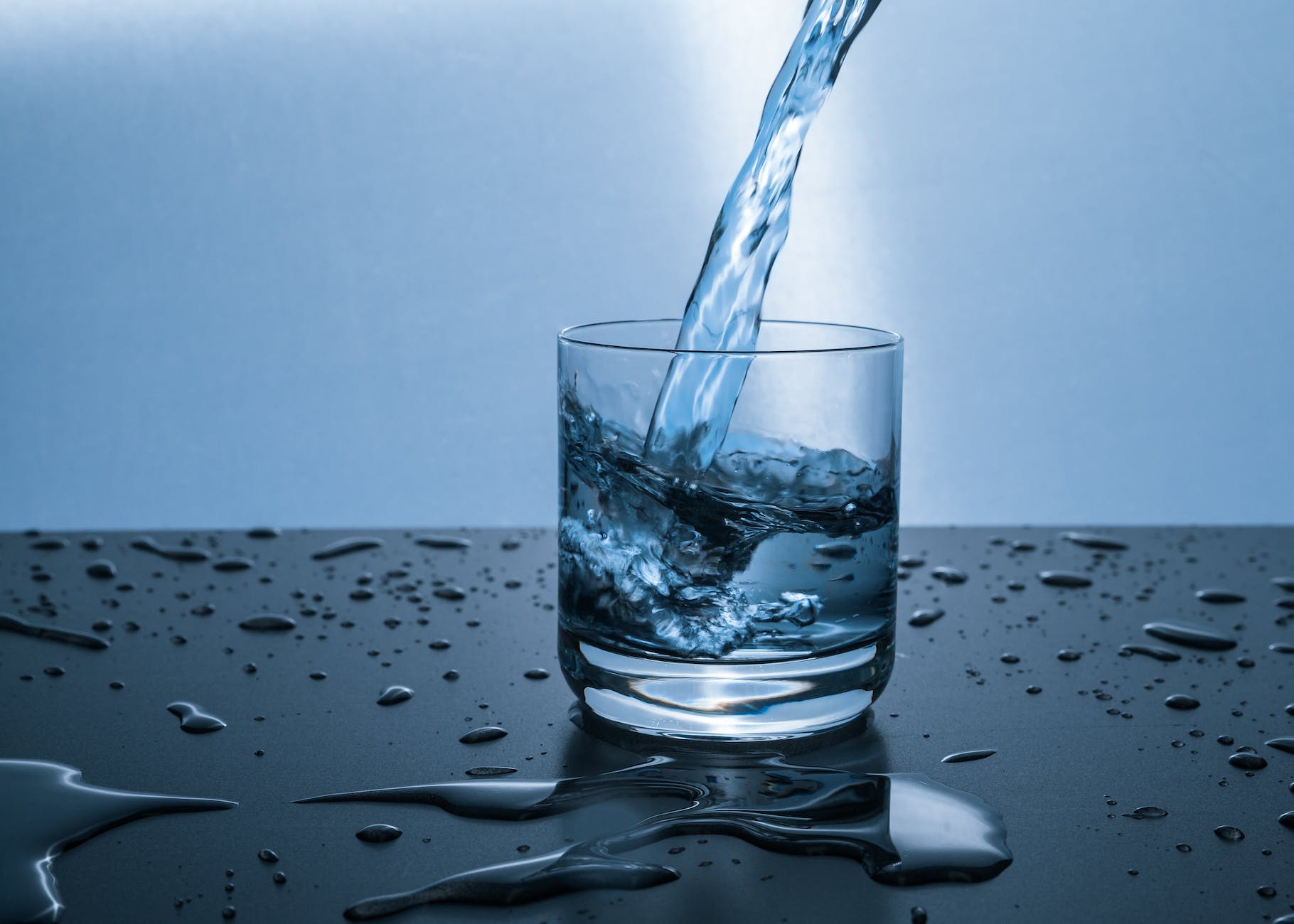
Photo by Pixabay on Pexels.com

No matter your dietary plan, drinking lots of water is one piece of advice that is always consistent. Water’s importance in the human body is not inconsequential. In fact, while a person can likely survive a month without food, it could survive only about 3 days without water. It truly is one of the most important factors in our survival. But why exactly?

For starters, water makes up approximately 60% of our body weight. Our cells are composed of mostly water. When we think about this we begin to understand why lack of water–also known as dehydration– can be so damaging. Dehydration is defined as a condition that occurs when the body loses too much water and other fluids that it needs to work normally. Dark-colored urine–looking like apple juice–is an indication of dehydration. When dehydration sets in, symptoms like thirst, dry mouth, and less urine begin to appear. Continued denial of water leads to problems with blood pressure, heart rate and body temperature, and eventually, death. So just how does our body use water to keep us healthy and operating at peak performance?

Water is vital in facilitating every action that takes place within our bodies. The main functions of water can be loosely categorized into four basic topics: Transportation, chemical reactions, lubricant/shock absorber, and temperature regulation.

First, transportation. More substances dissolve in water than in any other liquid and it’s this quality that allows for substances in the body to be transported. Blood, the primary transport fluid in the body, is mostly made up of water. Dissolved substances in blood include proteins, lipoproteins, glucose, electrolytes, and metabolic waste products, such as carbon dioxide and urea, all of which are either dissolved in the blood and transported to cells to support basic body functions, or removed from cells and transported to be eliminated from the body.

Next, water is the main medium for chemical reactions in the body as it can store a large amount of heat, and is neither acidic nor basic. While water, with zero calories, cannot itself provide energy, it works to generate metabolism, enabling the body to derive energy from ingested nutrients. Another important chemical reaction requiring water is breathing. Respiration is a chemical change as new substances like carbon dioxide and water are formed. The lungs consist of 85% water. In order to take in oxygen and eliminate carbon dioxide, our lungs must be continually moistened with water. These are just 2 examples of chemical reactions that are vital to life. In each cell, around a billion biochemical reactions occur per second. That means around 37 billion trillion biochemical reactions are taking place in our bodies every second. And since all of these interactions require water. . . well, you get the drift.

Water has another important function as a lubricant and shock absorber and is the main component of the fluids that protect and lubricate tissues. Some of these systems being protected include:

  • The brain and spinal cord
  • A pregnant woman’s developing baby
  • The lungs
  • The gastrointestinal tract
  • Joints and muscles

And finally, water regulates body temperature. The body uses water as a coolant, helping to regulate body temperature during exercise, fever and in hot environments. Water also has a high heat capacity, which means that it can absorb a significant amount of heat energy without a large increase in temperature. This property is crucial for regulating temperature in our bodies, as it allows us to maintain a stable body temperature even in both hot and cold environments. Human life has a narrow range of temperature, with the temperature set point of the body being 98.6°F. Too low or too high of a temperature causes enzymes to stop functioning and metabolism to stop. At a cool 82.4°F muscle failure occurs and hypothermia sets in. At the opposite hot end of the spectrum, 111.2°F the central nervous system fails and death results.

There are several mechanisms in place that move body water from place to place as a method to distribute heat in the body and equalize body temperature. The hypothalamus in the brain is the thermoregulatory center. The skin also contains temperature sensors that respond quickly to changes in immediate surroundings. When the surrounding temperature is cold, sensors in the skin send a signal to the hypothalamus, which then sends a signal to smooth muscle tissue surrounding blood vessels causing them to constrict and reduce blood flow. This reduces heat lost to the environment, keeping us warmer.

And if these reasons weren’t enough, here are some other ways in which your body uses water:

  • Prevents constipation and kidney stones
  • Keeps mouth, nose and throat moist, helping to create saliva
  • Prevents bad breath
  • Aids with digestion
  • Keeps your brain working well
  • Prevents fatigue
  • Keeps kidneys healthy
  • Prevents headaches
  • Reduces anxiety
  • Helps with weight loss
  • Promotes healthy skin, hair, and nails

So we can all agree on water’s importance. But how much should we be drinking? Every day your body loses 8-12 cups of water through breathing, perspiring, urine and bowel movements, so this is a minimum you should be drinking to replace basic daily loss. Add more if you’re exercising, it’s hot, you’re eating a high fiber diet, or drinking alcohol.

The good news is, nearly all liquids count toward your hydration goals. While some may be better than others, based on sugars or other ingredients, they are all equally hydrating. Tap or bottled water, flavored waters, soda waters. Even sodas, coffees and teas, previously thought to be dehydrating, still count toward your water intake. The caffeinated effects of more frequent urination do not take away from their hydrating benefits. The one exception to this rule is alcohol, which is a big dehydrator. So if you’re having a drink with dinner, be sure to include an extra glass of water.

Further good news: The foods we eat also contribute to our hydration. In fact, about 20% of our water intake comes from food. Some are obvious: Soups, stews, popsicles, even yogurt. Not surprisingly, fruits and vegetables are good sources of water. Cucumber and watermelon are big winners at over 90% water. Try adding some fruit to your water to add more flavor (and water, and other nutrients!).

You probably now have a good idea of why you should drink water and some good sources. But maybe you’re looking for ideas to increase your daily water intake. Setting a goal often helps. Fill your water bottle first thing in the morning and make it a goal to fill, and drink 2 more full bottles for a total of 3. Or drink during times that could trigger a reminder: First thing in the morning (even before coffee), then again before you leave the house, before meals, after using the bathroom. Whatever cues work for you.

Is it possible for your body to have too much water? Yes, it’s called hyponatremia and it affects between 3 million and 6 million people in the US annually. It can cause water toxicity, which is when your body’s water level is more than your kidneys can excrete. This can lead to a dangerous electrolyte imbalance. Endurance athletes, such as those who run marathons and triathlons, sometimes drink too much water before and during an event. In healthy people, athletes are at the highest risk for overhydration.

Hyponatremia can also occur in nonathletes, often in older adults, who may be on certain medications or have conditions that can lead to water retention and hypnoatremia. In these cases it is not usually the result of drinking too much water.

But for the vast majority of us, the opposite is more often true: We need more water. Experts say, don’t wait for the cue of thirst. By that point you’re already nearing dehydration. Your urine is the best indicator. It should be closer to clear than a deep or dark yellow. Make a plan and goal to drink your 8-12 cups daily and add in extra when needed to replace extra losses from sweating, or alcohol use. And I just had another idea to help you hit your goal. Drink a glass every time you finish reading a blog!

Things We Don’t Know: Dreams

Photo by Ron Lach on Pexels.com

Recently I was reading a self-help book about improving relationships. The author suggested that exploring dreams was a way of gaining insight into our experiences and how they’ve shaped us as humans. The rationalization was that in dreams, we are our “real” selves and that the way we solve problems in our dreams is probably very similar to the way we solve our problems when we are awake.

I was immediately skeptical. The whole concept of dreams is a little freaky to me. Sure, we all have imaginations. And we use them on a daily basis. We wonder what it would be like to win Power Ball. We can imagine a best case scenario and also sometimes imagine the worst case scenario. But our imaginations are usually based in reality. The things we imagine may not be likely, but they are usually possible.

But the sheer randomness of dreams is a difficult thought for me. I know I’ve had nightmares before, which is one of the things that makes me nervous about dreams. On any given night, I can emerge in a nightmare and be stuck there until I wake up. And not only can they be super terrifying, but also, we have NO control over our dreams. In my sleep, my mind can go anywhere. I don’t like that possibility.

Fortunately, I can rarely recall my dreams. Sometimes I wake up in the middle of a dream and I remember it, but within minutes, it’s forgotten. Scientists agree that this is a common experience, which makes dreams hard to study. I tried, recently, to jot down any dreams I could remember immediately upon waking, to see if I could spot recurring themes. I even placed a pad and paper on my end table. Often, by the time I remembered that I was supposed to be remembering my dreams, it was already forgotten.

So while I knew it was a nebulous topic–out of control and quickly forgotten–I decided to do a little digging to find out: Do We Know Anything For Sure About Dreams?

I wasn’t surprised to verify that we know very little about dreams, and how our mind works in our sleep to create them. But not for lack of trying. There is no cognitive state that has been as extensively studied, and perhaps frequently misunderstood, as dreams. In reading articles on the topic of dreams I discovered a recurring theme in the types of words that were used, including: “Why”, “Mystery”, “Possible Explanations”, “Speculation”, “Hypothesis”, “Theories”,” Most Likely”. These unsure terms clearly demonstrate largely unknown answers to why we dream, and what our dreams might mean.

Most scientists will agree on the most basic definition: Dreams are stories and images that our minds create while we sleep.

I’ve heard people say that they don’t dream, so my first question was, does everyone dream? There seems to be uniform agreement on this one. Yes, everyone dreams. Most people over the age of 10 dream between 4 and 6 times a night and it is thought that each dream lasts between 5 and 20 minutes. If you think you don’t dream, it’s probably because, like me, you’re forgetting your dreams. Studies have shown that around 95% of all of our dreams are forgotten by the time we get out of bed.

There is actually a term for the study of dreams: Oneirology. The scientific study of dreams began in 1953 with the discovery of REM sleep. But theories began as far back as Plato and Aristotle somewhere around 300-400 bce (before common era). These days we study both dream content, and dream mechanics. Scientists study dreams by monitoring individuals in a sleep lab. Studying dream mechanics helps us learn how our brains and bodies work when we’re dreaming, in the hopes of answering the why? of dreams. By studying dream content, we hope to learn more about what our dreams mean.

Studying brain waves of sleeping individuals has led us to be able to identify the 5 stages of sleep:

Stage 1: Light sleep, slow eye movement, reduced muscle activity

Stage 2: Transition stage; eye movements are not possible and muscles relax even more

Stage 3: Deep sleep begins; slow brain waves begin to appear, interspersed with faster waves

Stage 4: Continued deep sleep; no eye movement or muscle activity; if you wake up during this phase you may feel disoriented

Stage 5: REM; rapid eye movement; breathing becomes rapid, irregular, and shallow; eyes jerk rapidly and limb muscles become temporarily paralyzed; heart rate increases, blood pressure rises; dreams occur

Stage 5 is the area of most interest when considering the topic of dreams. We monitor brain activity during sleep by using an EEG. The EEG can measure brain waves and can see what areas of the brain are activated during sleep. Brain waves tend to decrease as we enter deeper sleep, and then increase when entering REM (dream stage) sleep. As a result of monitoring brain activity, we know that the amygdala, which is the area of the brain that is responsible for emotions regulation, is very active during REM sleep. This has led scientists to theorize that dreams may assist in the processing, and storing, of feelings we’ve experienced during the day. The thalamus, which receives sensory information, and the cerebral cortex, which converts memories from short to long term, are also active during REM sleep, leading scientists to believe that during our dreams, our brains are processing and storing memories. In addition to studying brain waves, sleep studies also monitor heartbeat, blood pressure, body temperature, and muscle tension, to see how these body functions alter during the different stages of sleep, and in particular, during REM sleep, when we are dreaming.

Most of what we know about dream content comes from self-reported accounts of the study subjects. Dream contents are most often studied by watching individuals in a controlled, sleep laboratory, and waking them at certain intervals to gather self-reported information about dreams. This is a topic that will always consist of theory but common themes are present. Some of the most common themes include falling, being chased, flying, and being unprepared for an exam. When a sleep subject reports a dream about falling, for example, scientists suspect that the dream signifies a loss of control or insecurity in their life and they sometimes have been able to link this theme to a person’s waking life and to stress, trauma or fear.

None of this has been reassuring to me. My son will occasionally share a dream he’s had with me, and he is often able to recount it in significant detail. The dreams he remembers, and shares, are almost exclusively terrifying. Personally, I’m not disappointed in my lack of recall. I can live without the fear and horror of living in a dream and I certainly don’t need to remember it when I’m fully awake. And I’m willing to take my chances in therapy rather than use my dreams as a way of analyzing my life and neuroses. Aside from these evident drawbacks, I still think dreams are random, and full of guesswork. And I’m not alone. In an article in Psychology Today, Michael J Breus, PhD said, “For all the scientific attention paid to dreaming, many of the most fundamental and important questions about dreaming remain unanswered.”

I guess if you enjoy dreaming, remembering your dreams, and theorizing about how they relate to your psyche, I wish you the best of luck. As for me, when it comes to dreams, I’m happy living my life in forgetfulness and blissful ignorance.

Table For One

Photo by Andrea Piacquadio on Pexels.com

Very recently, at the age of 56, I sat in a restaurant and had a meal by myself for the first time in my life. It’s been an idea I’ve considered for a while, viewing it as a challenge of personal strength. I was surprised to read recently that solo diners made up approximately 35% of dining parties in the year 2019, and that it’s a statistic on the rise. However, only 10% of that number takes place in full service restaurants. I’m sure we all know in our heads that being alone is not the same as being lonely, but it’s still difficult to overcome the fear of how we will be viewed by others. Personally, I do enjoy my own company.

While we know social interaction is key for happiness for most of us, being alone also has its benefits. You can enjoy what you most want to do, as opposed to going along with someone else’s plan. And you can do it at your own pace. When you’re alone, you don’t have to make conversation, so you’re often more fully in the moment, enjoying everything that assails your senses, and having time to explore your own thoughts, uninterrupted. It really is an opportunity to learn more about yourself. As with most things in life, it’s about balance. Participating in solitary actions AND group activities is probably your best life strategy.

So why such a stigma on dining alone? I guess it’s the feeling that the solitary diner doesn’t have any friends or anyone who was willing to dine with them. Pretty silly. Is it a throwback from schooltime cafeteria experiences of sitting alone at lunch? Maybe. Have you ever witnessed a solo diner while you were out with a group and thought, “Oh that’s sad, he’s eating alone.”? I’m guilty of this. But I boldly decided on this day to not care what anyone else thinks. It helped that I selected a restaurant that was out of town, where I was unlikely to run into anyone I knew. And not only did I not know any of these people, it was pretty certain that I would never see any of them ever again.

To be honest, what facilitated the recent decision was more about my love for pizza. I’ve recently developed a bit of an obsession with local bar pizza and have been trying different spots known to be favorites, largely based on recommendations from a local Facebook group dedicated to the delicious delicacies.

On this particular Sunday, I found myself alone, and not having much I needed to accomplish, so I thought I would tackle 2 personal goals by trying a new pizza restaurant and dining alone. I decided to try a larger restaurant, very family oriented, with a full bar and plenty of seating. This was not a takeout restaurant, but a full service dine-in restaurant. I could immediately see, upon pulling into the large parking lot, that the restaurant was busy. As I entered the building, it was evident that there were quite a few parties waiting to be seated. I boldly went up to the hostess table and requested, “Table for one, please.” and offered my name. I moved into the waiting crowd.

My resolve was very quickly challenged when I heard the hostess calling for the next waiting group. “David, party of 4. . .” Oh no. She had to mention the number of people in the group?? I came very close to turning around and walking out at that moment. But I convinced myself to be brave. My next potential “out” came when I noticed the sign that said, “cash only.” Oh come on, who carries cash anymore? I once again considered leaving. But I saw the sign for an ATM on location and for the second time, I convinced myself to stay. While I waited, I observed the dining room. Plenty of tables, almost all occupied. I secretly hoped for a spot in the back corner, against the wall, where I could enjoy my pizza while being virtually unnoticed.

Fortunately, the wait was not long, so I didn’t have to contemplate more “should I stay or should I go?” moments. I soon heard, “Cheryl, table for one.” I held my head high and followed the hostess into the dining area. Although I had envisioned dozens of heads swiveling toward me to see who the sad party of one consisted of, but really, I didn’t see anyone so much as glance my way. As we passed several nice booths that would have been inconspicuous, I continued following the hostess into what was definitely more the center of the restaurant. We stepped up a couple of steps into an area with mostly booths along the wall, and then I noticed one table set up parallel to the booths. Yep. One table. Oh boy. Please don’t take me to that table I silently wished. But of course that was exactly where we were headed. It looked as though the table had been placed there specifically to seat me. I took my seat and immediately put my head down and started to look over the menu. Despite the increasing statistic of solo diners, I did not see any others in the restaurant on that day, but I had picked a very social restaurant, and also a time that would be very amenable to families and larger groups.

My waitress was great. She didn’t ask if I was still waiting for someone and never made me feel like I was somehow less important for being alone. I kind of felt bad for her. Like I was keeping her from a more generous tip by holding up this table, or keeping her from other tables. I ordered my pizza, and a beer, and I had also brought a book, so I opened that to read while I waited for my lunch.

I was certainly a little self conscious, both for being alone and being in the center of the restaurant. But each time I looked up, and around the restaurant, no one was looking my way, playing the game I had imagined in my mind of “I wonder what her sad story is?”

I didn’t have long to wait for my meal and I almost forgot my discomfort as I saw the delicious pizza which had, after all, been the purpose of my visit. I momentarily worried that people would be watching as I enjoyed my meal, shocked if I devoured the entire pie, which I usually did. Don’t judge. They’re small. But once again, no one seemed to be paying any attention to me, so I continued reading while I enjoyed this new experience eating slowly and sipping my IPA. When I was finished, I asked my waitress to point me toward the ATM and I walked over to it, getting a chance to check out the remainder of the restaurant. It was a cool place, much bigger than your typical bar pizza spot. After getting some cash I returned to my seat, paid my bill, and took the long, lone walk back to the exit and the parking lot, fully satisfied.

I’m proud of my bravery in experiencing dining alone, and I actually enjoyed it. I love to read so I never mind having more time to do that. And it was nice to have the freedom to make all of the decisions myself. I decided where to go, and when, and what to order. I didn’t have to make conversation and for just one pizza and one beer, the bill was relatively inexpensive. I think I made a good choice choosing a larger restaurant, during a busy, Sunday lunch time. Most people didn’t even notice me, and those who did, didn’t seem to think anything of my eating alone. In terms of favorites, I don’t think I’d place that pizza in my top 5, but I definitely did enjoy it. I would return–dining companions were now optional! And I won’t hesitate to dine alone again. So if you see me, or any other solo dining individual, don’t feel pity or sadness for them. The decision to dine alone was probably a deliberate one for them, and they are having a fine time enjoying their own company. As for me, I’m currently searching for the next “alone” experience. And , of course, the next bar pizza!

What I’m Reading Now: Being Mortal: Medicine and What Matters in the End

Book: Being Mortal: Medicine and What Matters in the End

Author: Atul Gawande

Fiction/Nonfiction: Nonfiction

Have I Read this Author Before: No

One Sentence Summary: Through Research, studies, and Personal Experience with patients, Gawande outlines the medical path of terminal patients, the traditional doctor/healthcare response, and describes his thoughts on how to make our last days “better,” for whatever that means for the patient

The Best Thing about the Book: The writing is clear and empathetic and Gawande uses real-life stories of people he has interviewed to demonstrate the problems with our end-of-life solutions and also some inspiring stories of when we got it right; very eye opening but in a hopeful way

The Worst Thing about the Book: The stories are often sad, and I found myself tearing up at times and wishing for more radical change

Did it Make me want to keep Reading: Yes

What I Learned: So many things. I often will take pictures of pages as I’m reading so I can refer back to something I’ve learned in preparation for this blog; in this case I would have been taking pictures on almost every page; I learned about the history of nursing homes, and how they developed out of a need to get people out of the hospitals; I learned how in other cultures the elderly are very highly respected and are taken in and taken care of, by their extended families; I learned about the ways in which nursing homes fail, and the ways in which pioneers have created experimental alternatives that still offer independence and dignity and choices; I learned about various medical conditions and the suffering they bring and the medical interventions that often help, and often make things worse; the role of hospice as it should be: helping people to have “good days” for their last days, instead of how we’ve come to view hospice; I could go on and on

The Bottom Line: Gawande makes a great case for considering what you want at end of life, regardless of your age; write it down and share it with your loved ones; what are the things that are most important to you–for one individual in Gawande’s book it was to be able to eat chocolate ice cream and watch football–and what are you willing to endure to have those things

Would I Read this Author Again: Yes

Next Book to be Read by this Author: Complications: A Surgeon’s Notes on an Imperfect Science

Muscle and Your Bones

Photo by MART PRODUCTION on Pexels.com

We continue to learn more and more about how our bodies work and what is good, and not good, for them. Sometimes you hear conflicting information. Low carbs, low fat, vegan, cardio, no cardio, vitamin supplements or not; it might be hard to know what is best.

One thing you will find that does not seem to be in question is this: Muscle is good. I’m not talking about the type of muscle that you see in body-building competitions. Like most things, too much of a good thing is probably not good. But experts agree: Building and maintaining muscle in your body is beneficial for many reasons. One of these reasons is that muscle helps support your bones.

I think we all know the importance of both muscles and bones. Our 206 bones support us and keep us moving. Stop and think about simple daily movements like walking, jumping, or even standing and sitting. None of these actions would be possible without a strong skeletal system. Our bones also protect our vital organs like our brain, heart and lungs. They help with our balance, and posture, improving appearance. Our bones even store minerals like calcium and phosphorous, releasing them into the body when needed for other uses.

One other role of our bones, is to anchor our muscles, which are equally as important in keeping us functioning physically. Our muscle is attached to our bones with tendons, and together our muscles and bones are keeping us in motion all day long. We have about 640 muscles in our bodies. Involuntary muscles like the heart are working hard without us even having to think about it. Our voluntary muscles like our biceps and hamstrings move when we instruct them to. Muscles make up almost half of what we weigh, and are about 75% water. Moving a muscle involves pulling it (contracting) and relaxing it.

Our muscles and bones are deeply connected, and one could not function without the other. One of the great things about this partnership, is that when you are working your muscles with exercise, you are also strengthening your bones. When you work out, your muscles get bigger and stronger. The same happens to your bones. Stronger muscles pull harder on the bones and the harder they pull, the stronger your bones get. This is one more function that our bodies take care of for us, without us having to think about it. And its very important that our bones and muscles have this type of balanced relationship. A weak muscle would not be able to move a strong bone, and a weak bone would be snapped by a much stronger muscle.

The biggest risk with weak bones is osteoporosis. Osteoporosis causes further thinning and weakening of bones and is a very significant risk as we get older. It is thought that bone strength peaks at age 30 and then begins to decline. Men and women over 35 have a 1% bone loss each year. And for women, that number jumps to 2-3% in the years immediately following menopause. Osteoporosis makes us more susceptible to fractures, especially in the hips, spine and wrists. An estimated 8 million women and 2 million men in the US suffer from osteoporosis. For them, a break in a hip can lead to lifelong problems with walking and loss of independence. In addition to osteoporosis, weak bones can cause back pain, a stooped posture, and loss of height over time.

Ideally, you would build up muscle mass at a young age so that by the time your mass “peaks”–around age 30–you have a higher level before starting your decline. But its never too late. In addtion to weight bearing exercise, the following can affect bone health:

  • Calcium: recommended daily dose is: 1000 milligrams per day (1200 for older individuals); best sources are: dairy products, yogurt, orange juice, almonds, broccoli, canned salmon and tofu
  • Vitamin D: your body needs vitamin D to absorb calcium; recommended daily dose is 600 International units a day; best sources are: oily fish, mushrooms, eggs and fortified foods like milk and cereals; sunlight exposure also contributes to your body’s production of vitamin D
  • Physical activity: Any kind is beneficial, but weight bearing in particular
  • Alcohol and tobacco: avoiding these are best
  • Size: smaller, thinner individuals have less body mass
  • Hormone levels: too much thyroid hormone can cause bone loss
  • Some medications: long term use of corticosteroid medications (prednisone and others) can cause damage to bones

So how can we know if our bones are strong and healthy? Doctors can test bone strength with a test known as bone density. The denser your bones are, the stronger they are. The most common bone density test is DXA–Dual energy xray absorptiometry. During a DXA, a machine will emit xrays. Bones will absorb different amounts of xrays depending on the density of the bones.

Other types of bone density tests include Quantitative CT, which uses a CT scanner, and Quantitative ultrasound. The results of a bone density test are reflected in what is called a T score, which compares your bone density to the average of the same sex. Therefore a T score of -1 for a male would mean that the patient has a bone density that is 1 unit less than that of the average young male. A T score of -2.5 or under generally indicates osteoporosis. The test itself is relatively simple and painless. It requires no fasting or undressing, and no climbing into scary equipment or machines. The only adjustment is to remove any metal piercings or accessories, as these can interfere with xray radiation. The areas most frequently targeted for testing include the spine, hip and forearm. In most cases you are lying down while a padded platform passes over your body. The radiation levels are low and the test only takes about 10 minutes.

Bone density tests are recommended for women over age 65 and men over 70. Other factors that might necessitate a bone density test include: A broken bone in someone over 50, a broken spine, a loss of height, or a previous xray showing bone loss.

It’s never too early to or too late, to have an effect on your bone health. Start by adding some weight bearing exercise to your weekly routine, and be sure to include calcium and vitamin D rich foods in your diet. Building up strong bones will ensure that you are able to enjoy your favorite physical activities long into your later years.

What I’m Reading Now: We Need to Talk About Kevin

Book: We Need to Talk About Kevin

Author: Lionel Shriver

Have I Read This Author Before: No

Fiction/Nonfiction: Fiction

One Sentence Summary: In the form of letters to her husband, the mother of a school shooter and mass murderer recalls their lives leading up to the horrific event

The Best Thing About the Book: Although a very sad topic, it’s interesting to get the perspective of the murderer’s mother; also the book is very well-written

The Worst Thing About the Book: The sad topic makes it difficult to read at times and some of the shooter’s comments can be a little tough to hear

Did it Make Me Want to Keep Reading: Yes

What I Learned: Although the story is fiction, the book does reference some similar real-life tragedies and I learned some details about those situations that I had not known; also it’s a reminder of just how prevalent this kind of murder is

The Bottom Line: A very dark look at a tragic event including other’s reactions and questions about who is to blame; about 3/4 of the way through I thought I knew the whole story and was wondering what was left to learn but there were still surprises to come

Would I Read This Author Again: Yes

Next Book to Be Read by this Author: Big Brother