What I’m Reading Now: You Are Not Alone

Book: You Are Not Alone

Fiction/Nonfiction: Fiction

Author: Greer Hendricks and Sarah Pekkanen

Have I Read This Author Before: No

One Sentence Summary: Shay witnesses a young girl who jumps to her death in front of a subway train and then becomes involved with two women who want to find out what she knows about the girl’s death, leading to suspicions on all sides

Best Thing About the Book: Multiple things but mostly, The Title! Is it Comforting, or is it Ominous??

Worst Thing About the Book: While there are some surprises as to how things work out, the question of “what really happened” was answered pretty early for me

Did it Make Me Keep Reading: Yes, the characters were interesting and I wanted to see what would happen to them

What I Learned: Shay is an analytical person who gathers data so her narrations often begin with statistical facts, i.e. suicide attempts on NYC subways, depression, and missing persons

The Bottom Line: I’m always interested in books written by two people. This was an interesting story but not a can’t-put-it-down psychological thriller

Would I Read This Author Again: Yes

Next Book to be Read by This Author: The Wife Between Us

Getting Sneaky with Vegetables

Photo by Adonyi Gu00e1bor on Pexels.com

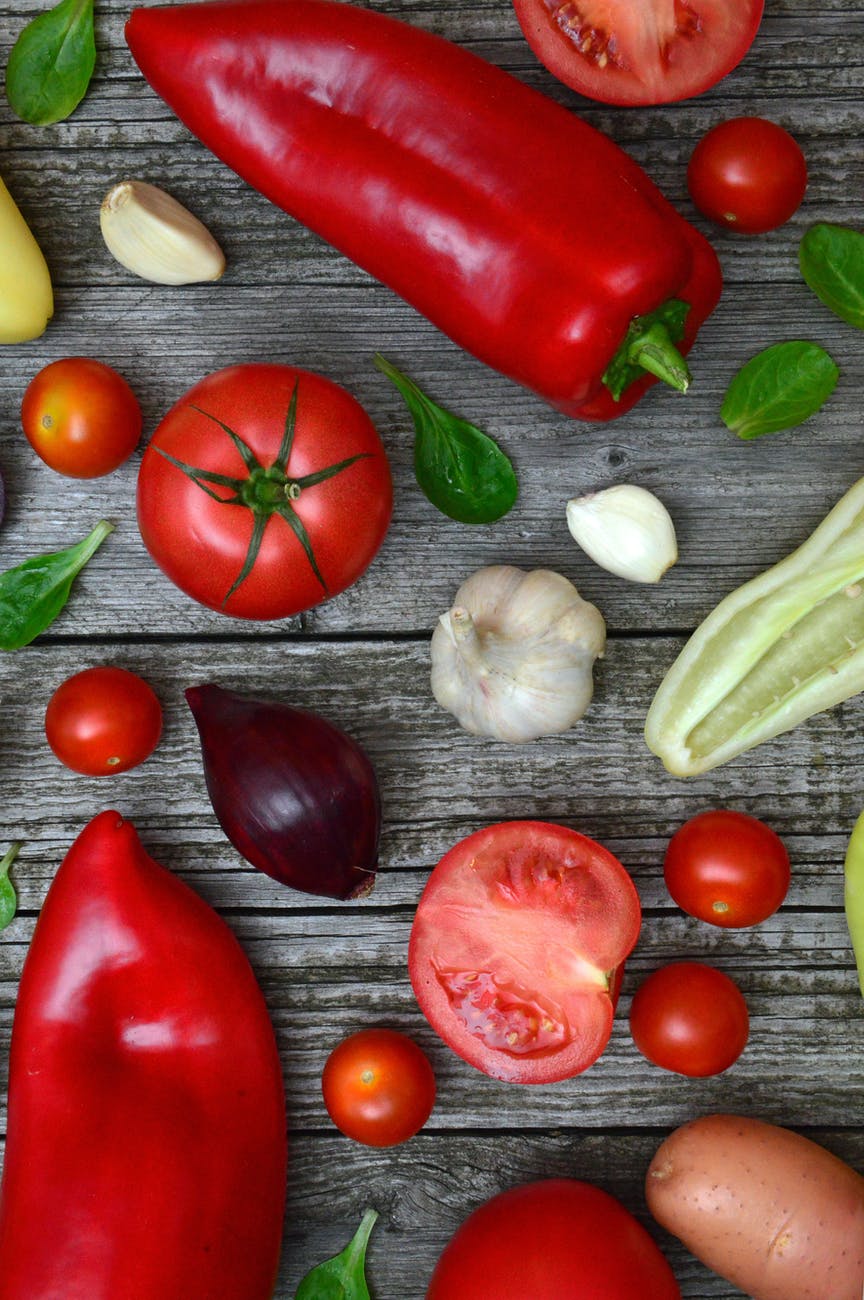
If your household is like mine, you probably have family members who do not really appreciate all that vegetables have to offer. Although dietary thinking is constantly changing, and theories about what is healthy for you have altered over the years, one fact has remained constant: Vegetables are good. You can ask the vegans, the ketoists, the fasters. All will agree. Vegetables are a necessary element of our diets and perhaps the only non-negotiable one.

What’s so great about vegetables? Vegetables contain most of the major vitamins and nutrients like iron, vitamin A, potassium and vitamin K among others. In addition they are loaded with fiber, another necessary nutrient for digestion and weight control. In addition, a diet A diet that includes vegetables can result in lower blood pressure, decreased risk of heart disease and stroke, prevent some types of cancer, and have a positive effect upon blood sugar. Since different vegetables contain different nutrients, the best practice is to consume as much of a variety of different vegetables as possible.

But not everyone likes them, and even those who do enjoy a vegetable here and there, will have their favorites and will avoid all others. In my house, we have a lot of broccoli fans. Corn and green beans are also tolerated. Occasionally a carrot. Beyond that, we are an unadventurous group and in many cases, outright refusers.

I’ll always encourage you and those in your family to continue to offer noticeable vegetables on your plate. I want my family–and especially my kids–to get in the habit of having vegetables with every meal, so in order to instill that habit, you need sometimes to actually see the vegetables; so some days in my house you’re just going to get a serving of green beans. We all know that our tastes change, so even though you disliked something last year, you may find that now, it’s not so bad.

But I’ve also learned to get creatively sneaky. I hide vegetables whenever possible in house favorites. Most dishes are amenable to adding a vegetable that will go virtually unseen and untasted. I’m not talking about potatoes, as we get plenty of those. I also usually avoid the stronger flavored vegetables, as the whole point is for them to blend in. The trick is to chop them up small or when possible, grate or puree them. These vegetables shred well: Zucchini, cucumbers, carrots, most greens, eggplant, broccoli, brussels sprouts, spaghetti squash. These vegetables can be pureed pretty easily: Butternut squash, pumpkin, yams, beets, parsnips, peas, carrots, onions, cauliflower, tomatoes.

So grab your grater and your food processor, and soon you’ll be smiling at the sneaky ways you’re helping to keep your family healthy. Here are some of my favorite ways to incorporate vegetable sneaks, and the add-ins I’ve used in the past.

  • Jarred or homemade sauces: Add tomatoes, peppers, onions, carrots, celery, mushrooms, zucchini, parsnips, rutabaga, rhubarb
  • Salads/Sandwiches: If you can get your family to eat any type of salad, you can likely switch up the greens with no one noticing: spinach, kale, chard, arugula, endive
  • Breads and cakes: Think carrot cake and zucchini bread, but also try these in your breads and cakes: Shredded pumpkin, butternut squash, parsnips, sweet potato, rhubarb; you can add almost anything to cornbread (try okra, red onion, jalapeno)
  • Salsas: Add avocado, cucumber, radish, corn, zucchini, jalapeno,
  • Salad dressings: Tomatoes, avocado, onion, zucchini, spinach, celery, cucumber; You can even use these pureed veggies in place of the oil!
  • Soups: Beets, carrots, tomatoes, squash, mushrooms, corn, peas, green beans, zucchini, asparagus, summer squash, spinach, pureed turnip or cauliflower
  • Casseroles: The options here are endless; try eggplant, greens, cauliflower, peas, spinach, broccoli, corn, squash
  • Meatloaf or Meatballs: onions, carrots, peppers, zucchini, celery, green beans, water chestnuts
  • Lasagna: artichokes, asparagus, spinach, zucchini, corn, peas, broccoli, summer squash
  • Skillet dishes (for example, sloppy joes, hamburger helper, american chop suey): peppers, onions, corn, mushrooms, carrots, zucchini
  • Stews: green beans, celery, lima beans, mushrooms, peas, water chestnuts
  • Taco meat: sweet peppers or jalapenos, onions, carrots, zucchini, celery, squash

Feeling inspired yet? Try something new tonight and share your ideas with us! Just don’t tell my kids.

Why I Still Print Pictures

I know our recent reliance on our phones can create a “bad/good” discussion. We’re so addicted to them, we can’t function without them, we’ve lost many social skills and the ability to communicate. Often it seems we aren’t enjoying our life happening around us because we’re too focused on that incoming text, email, social media post. These things are all true, and often sad and maddening. If you’ve tried to get through a “no technology” dinner with a couple of teenagers, you know what I mean.

But they’ve also brought a lot of good. We feel better knowing when our kids are out that we can reach them to check in. Or they can call if they’re concerned about something. We probably find it easier to get in touch with our friends and family, or to reconnect with someone we haven’t seen in a long time. We have–literally at our fingertips–access to just about any piece of information we need at any given moment: What time does the store close? What does that word mean? What ingredients do I need to pick up for that new recipe I want to try tonight? And one I know we all love: Let me pull up a map that will talk to me and tell me step by step, exactly how to get to my destination.

But for me, one of the best features of having my phone always at the ready is the ability to take pictures. You young’uns don’t know what it used to be like. We needed an actual camera to take pictures, and you didn’t walk around with yours every day. You only had it with you when you were attending a special event: Vacations, parties, graduations. Not your everyday activities. Even if you wanted to take your camera with you all the time, you wouldn’t because it was bulky and possibly heavy. Then, you not only had to pay for film, but you also had to pay to have the pictures developed. And you could attempt a selfie, but you couldn’t see what you were taking a picture of, so you never knew what you would end up with. Cause, oh yeah, until you had the film developed you had no idea what your pictures would look like! Safe to say, a lot of those prints were unrecognizable and therefore useless. So yes, the quality, and quantity, of pictures have definitely improved.

What I dislike about our phone photos is the difficulty in viewing and sharing them. Sure, your phone can probably store lots of images. I guess with the cloud it might actually be limitless. And yes, you can share all 100,000 of them on social media. But how often do you go back and look at some of the older ones? Maybe on a special occasion when you want to post a baby pick of your daughter who just became a teen. Or on Mother’s Day, a pic of your young mom, who has since passed. But I don’t think we look at pictures on a regular basis to just enjoy the memories. And what happens if you do want to review the pictures? First you have to scroll. And scroll. And scroll. Scroll through all the pictures of your pets and aesthetically pleasing meals you’ve made recently, to find the pictures you’re hoping to see. Part of the problem with the ease of using our phones for pictures is that we take too many pictures. And we keep them all, making it difficult, and tiresome, to find the one you’re looking for. Frustrating. Then, when you find the group you want, the screen is too small to notice the details, and you can’t really share it with the people who are with you, except by passing it around so each person can squint to see what you’re showing them, before passing it to the next person.

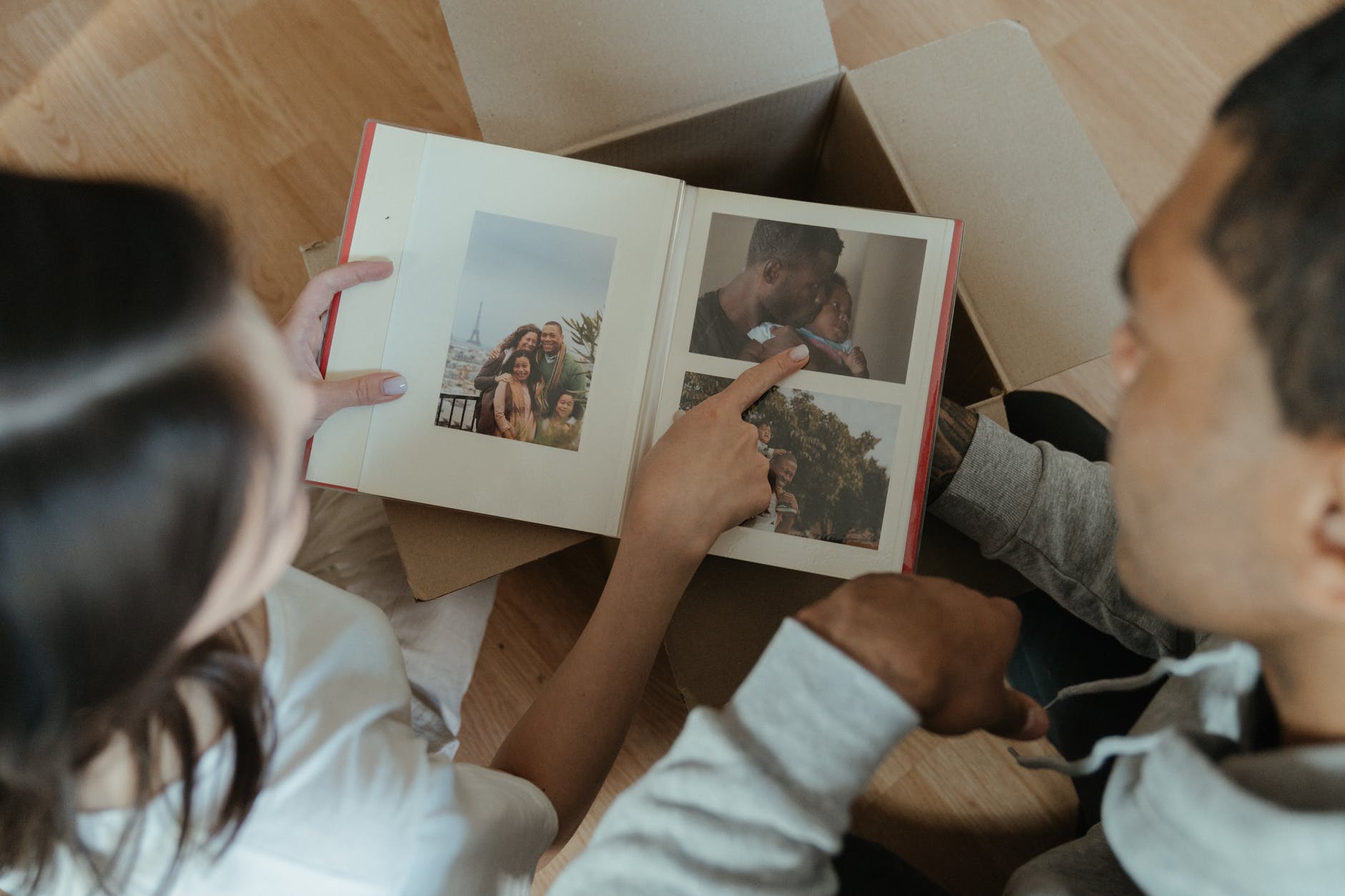
So I still print pictures and put them into photo albums. I don’t mean online photo albums, but actual, physical, photo albums that are located in a bookcase in my home.

Of course, back in the day, we had no choice but to print our photos and usually we put them into albums. Some of us might still have some of the folders of pictures we picked up at the pharmacy, or maybe even recieved in the mail after sending the film out. I’ve probably been better than most at keeping up with this task of getting those pictures into albums. I started in my teens and soon came up with the idea of having one album for each year. They’re labeled with the year so if I’m trying to locate something in particular (remember that vacation to the Grand Canyon!? Was that in 2010 or 2011??) I can usually find it pretty quickly.

And although I’m a little behind, I still buy a new album each year, faithfully write the year in the front cover, choose the photos I want to include, go to a local pharmacy to print them, and then put them dutifully into their assigned place in the album. Yes, it takes time. And quite a bit of space in my home. But I wouldn’t have it any other way, because looking at photos like this is an exercise in nostalgia, laughter, and closeness with my loved ones.

Recently, we were planning a trip to Vermont, and I told my kids that they had been there once before, when they were much younger. As I talked a little about what we had done, my daughter exclaimed, “I remember that!” I was a little skeptical, thinking she had been too young too remember. Guessing she was about 4 or 5, I easily located the correct album, and the pictures of the trip to confirm that yes, she probably had been old enough to remember that trip.

By far, the best part of the story about remembering Vermont is how my daughter and I sat together on the couch, with the photo album opened on our laps, and flipped the pages, pointing and laughing together at the wonderful memories spread out before us. And if you want to share photos with your kids of things that happened before they were born, I promise you, printed pictures in an album will have a much greater impact than those on your phone. For the greatest emotional impact, digital photos are a poor substitute.

As I plan a graduation party for my son, I want to include a clothesline of photos of him through his 18 years, for partygoers to look at. I will easily locate, and retrieve, the album from the year of his birth and starting there, I can pull out one photo of him from each album to represent his 18 years. Granted this project will take a while as I get caught up in looking at those older photos, but so worth it. Imagine trying to accomplish the same task with photos on your phone? More time and frustration and none of the nostalgic smiles that my albums produce.

I try to look at the albums on a regular basis: My kids birthdays, when planning vacations, when trying to remember, who was with us when we went there? Were we still living at the old house, or the new one? If you still have a wedding album, pull it out on your anniversary and look it over with your betrothed. I promise you it will bring out many happy memories and have you looking at your partner with stars in your eyes.

Turns out that looking at old photos is good for your health. In fact, research done recently in England shows that looking at older photos relaxes you more than meditation. And albums are better than digital because of the tangibility, and especially the sharing capabilities of sitting together and enjoying the memories together.

One thing I’m most happy about is that I will one day hand these albums down to my kids. Not only will they appreciate the physical value of these old memories, especially as they get older, but my albums started well before cell phones, and so those earlier photos are the only versions available, and therefore irreplaceable. I consider them my most valuable possessions.

One other positive outcome to looking through old photo albums together? The whole time you’re reminiscing, no one will be looking at their phone.
To Walk or To Run?

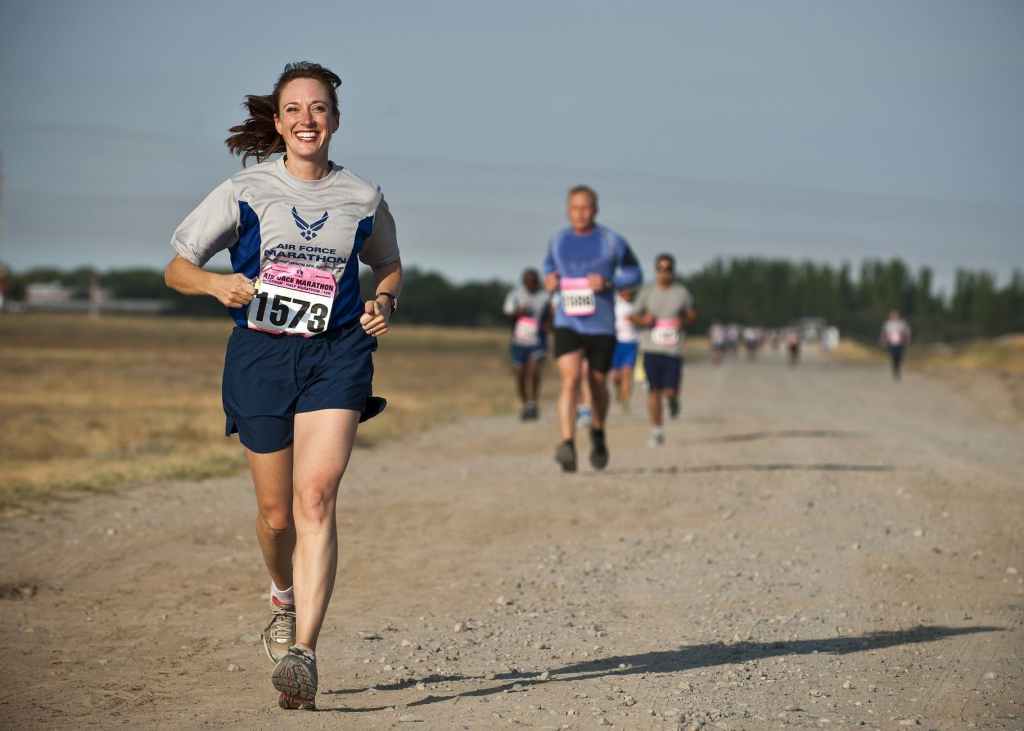
If you’re someone who has ever thought about ways to stay in shape, get physically fit, or lose weight, you have very likely considered walking or running as a possible form of exercise. You’re not wrong. Both running and walking provide great cardiovascular benefits. Both can bring weight loss, and reduced risk of cancer, high blood pressure and chronic disease. Both improve endurance, circulation, and can improve mood and reduce depression. But which is actually better? The answer is not the same for everyone. It depends on your lifestyle, your health, your current fitness level, and your goals. With running, you can burn more calories in less time, but also have a higher risk of injury, both acute and chronic. With walking, you need more time to burn the same amount of calories, but also greatly reduce your risk of injury and have the added benefit of making it more social by adding a walking partner. Here’s a guideline based on some possible goals you may have.

Choose Running If:

  • You want more cardivascular benefit
  • You want to burn more calories
  • You want to lose weight more quickly
  • You want to train for a running event, or other endurance event
  • You have less time for a workout
  • You already have a baseline level of fitness
  • You do not currently have any injuries or chronic conditions, particularly in your lower body

Choose Walking If:

  • You’re just beginning an exercise program
  • You want to avoid any possible injuries
  • You want to also be social while exercising
  • You are currently obese
  • You want something that is easy
  • You want something that requires no equipment or other costs

Some other things to keep in mind if you’re going to begin a running program:

  • Get clearance from your doctor, especially if you have any physical condition
  • Invest in a good pair of running shoes
  • Always stretch before and after running
  • Begin with a warmup; walking is easy
  • Start small: A good beginning running program is to alternate walking and running; walk for 4 minutes and run for 1 minute for a total of 20-30 minutes; do this for several weeks or until the 1 minute of running begins to feel easier. Then slowly increase the running time 1 minute at a time (3 minutes walking with 2 minutes running, etc) until you’re running for the full 30 minutes
  • Alternate days of rest with your running days

Some other things to keep in mind if you’re going to begin a walking program:

  • Wear supportive shoes: you don’t need to invest in an expensive pair of walking sneakers, but you should wear shoes that have a sufficient sole to support your feet
  • Walk at a brisk pace and then switch it up: add in intervals, alternating periods of fast pace walking with moderate pace
  • Add in some inclines (hills, or treadmill)
  • swing your arms or carry small hand weights or wear a weighted vest

For either activity, be safe. Stay hydrated by drinking water before, during, and after your workout. If running or walking outside, wear a reflective vest especially if approaching or during darkness, carry ID, your phone and a whistle, run or walk in a well-lit, heavily trafficked area, and no headphones. Lastly, whenever possible bring a buddy.

Most experts will tell you the best form of exercise is the one you’ll stick with, so if you’re still unsure about whether you should select walking or running, try them both and choose the one that gets you excited enough to put on those shoes and get yourself out there!

What Side of the Bed Did you Get up On?

It’s a cliche, so we know what it means: Waking up in a good or bad mood. The phrase originated in the ancient Roman empire. The Romans had a superstition that the left side of the bed was the wrong side, and getting up on the left side of the bed would bring them bad luck for the day.

If only getting the day off to a good start were as easy as just which side of the bed we got up on! Some mornings we just wake up with a better attitude than others. I’m talking “Bring it on!” vs. ” I really do not want to do this today.” It can be that drastic. I’m guessing you have similar differences in your early morning outlook. And, like me, you probably also prefer “Bring it On!” day. So wouldn’t it be great if we could have more of those, and less of the others?

For me, a good day is when I wake up and immediately I’m confident that today will be productive, positive, enjoyable; at work, at home, and maybe even socially (i.e fun!).

On these days I will likely start my morning off by getting up early and tackling some light chores at home: laundry, watering the plants, planning dinner, helping others in my house with lunches or whatever they need to start their days. Next is a workout and shower before getting ready for work. Already I’m feeling great. I’ve accomplished some home chores and did something positive for myself and my health. Yay me!

On the best days I arrive to work a few minutes early and get a fast start reviewing emails, pulling reports, completing paperwork and going over my to-do list for the day. Once 9 oclock hits I make any necessary phone calls to customers or colleagues, problem-solving, assisting customers in my office, being available for my team. Ideally I’m able to solve some problems I’ve been working on, while not taking on any additional issues. On a really good day, I have accomplished most of my daily tasks (and especially the dreaded ones) by the time I go for my late lunch. If I’m lucky, after lunch, it’s no heavy lifting. Checking in with my team, doing some tracking, planning for the next day, responding to any emails that are still pending, and returning calls from messages that came in earlier in the day. When the day is about over I’ll review my personal to-do list to see if I can cross anything off there, or to know what I need to accomplish when my workday is over. This might include making a phone call to schedule an appointment, checking in with my kids to see how their day went, running an errand or two on the way home. If I’m lucky the day will end with some socializing with friends, or a quiet dinner relaxing at home with the family.

And then there are the “Other” days: Drudgery is the word that comes to mind. When even the thought of going to work, being proactive, talking to people (!!) Just ugh. You know what those days go like: Putting off a workout until its too late, finding cat puke on the rug, a family member’s car won’t start, a text comes in from a colleague to say they won’t be in today. And all of that BEFORE heading to that place called work. Aside from just feeling blah, a “bad” wakeup keeps me from being productive, and also from doing things that I know are good for me, or that bring me joy.

So is it random or is there a reason for the morning motivation fluctuations? Sometimes we can put our finger on the cause of our malaise: Maybe we didn’t sleep well, or there’s a presentation to deliver at work; maybe someone in the family is going through a tough time, or maybe it’s just monday. But other days, there doesn’t seem to be a tangible reason for the feeling.

There are some theories. Your brain could be to blame. Maybe it was unable to produce enough happiness hormones overnight to bring an early smile to your face. Or maybe while you slept your brain was reviewing the details of a bad day, causing you to wake up angry. Perhaps your circadian rhythm is disrupted. This is your internal clock that causes you to be sleepy at night and more awake during the day. This natural body clock regulates heart rate and body temperature and can affect energy, alertness, and mood. When properly aligned, it promotes restful and restorative sleep. While light is the biggest influence on circadian rhythms, other cues, like exercise, social activity, and temperature, can also have an impact. Other things that can cause a disruption in circadian rhythm: Jet lag, and changes in your sleep habits, i,e. not going to bed and getting up at the same time each day.

So first, you want to eliminate the potential that your morning blues are something more serious. Most of us suffer from the good days and the bad days. Hopefully the good/mediocre days outnumber the bad days. If the opposite is true, you might want to investigate a little further. If MOST days, you are waking up feeling depressed, fatigued, sad or angry, unable to concentrate, lacking energy, or having difficulty facing simple tasks, talk to your doctor.

But if it’s just Waking up on the Wrong Side of the Bed, what can we do to affect our morning mood, either ahead of the fact, or upon awakening? Here are some suggestions:

  • Keep your circadian rhythm operating smoothly: Follow a consistent sleep schedule, get exposure to sun, and get plenty of exercise
  • Don’t eat, or use electronics right before bed
  • Employ positive vibes upon waking: Today is going to be a great day!
  • Have that cup of Joe; studies show coffee can help reduce stress caused by sleep deprivation
  • Think about what you have going on that day that you’re looking forward to
  • Smile. Studies show that even an artificial smile can improve your mood
  • Practice gratitude before going to bed and in the morning
  • Meditate
  • Listen to your favorite music (instead of watching the news)
  • Take Control of your day: Decide what needs to be done to be productive and get it done
  • Do something just for you
  • Reach out for a quick chat to anyone in your life that always makes you feel good

While expecting a complete turnaround to your morning mood may be unrealistic, employing one or more of these strategies is sure to help.

Now if you’ll excuse me, today is a Good day, and I have many important tasks to accomplish!

Can You Reset Your Body Set Point for Weight?

The simple, yet complicated ways that our bodies work are amazing to me. Simple because we don’t even have to think about most of it: Breathing, heart pumping, blood flowing. And yet, the complication! All those organs doing exactly what they should be doing, exactly when they should be doing it. Multiple systems in our bodies interacting in such complex ways every moment of every day. And although we obviously have learned much about how our bodies work, there is still so much we don’t know.

One area where we’ve made progress but still have much to learn, is in weight management. Clearly this elusive mystery does not have a simple answer, no matter how much we wish it to be so. It’s not just how many calories we consume. It’s not just the types of foods we eat, or how often, or our age, or hormones, or level of physical activity, or genetics. In fact, it is probably all of these things, and several others, that affect our likelihood to maintain, gain, or lose weight.

One idea which has gained popularity lately is the idea of body set point for weight. Simply stated, this theory claims that each of us has a “set” weight where our bodies are comfortable, and our bodies will adjust to keep us at this weight. It makes sense. Our bodies are always fighting for homeostasis, returning us to our “normal” status. If we get an infection, our bodies work hard to fight it off, if we are hot, our bodies produce sweat to cool us off. If we’re gaining weight, our bodies will adjust by putting controls into place to combat this change, perhaps by increasing metabolism. In reverse, if we’re losing weight, our bodies will adjust to make sure we don’t lose too much weight. The evolutionary connection seems clear. Our ancestors, in order to survive, did not want to fluctuate too much in either direction–overweight, or underweight–as this would hinder their ability to function in the more dangerous world. In the case of potential starvation, our bodies would protect us by holding onto fat. So even now, when you cut calories, or reduce your food intake, your body will work to slow your metabolism, and make hormonal adjustments affecting when you feel “full” or “hungry.” In this way, our body actively resists long-term weight loss. It’s not an encouraging theory for those of us who are fighting to permanently lose weight.

Although some studies have backed up the theory of a set point for weight, weight studies are difficult. Scientists can’t control what people are actually doing or eating so results are often self-reported. Also, changes that happen to our bodies can happen over years, even decades, so short term studies are often not effective. While there appears to be some evidence of a set Point for weight, there are some weight phenomenons that cannot be answered by set point such as, Why do college students often gain weight? Why do children who have a lot of screen time more likely to be obese? Why do people who move from Asia to the West often experience a weight gain? Still, there are believers in the Set Point theory, and proponents of the ability to permanently change that predetermined number.

Jason Fung, author of The Obesity Code, has some ideas. Fung’s main claim: Insulin is the body set weight regulator. Insulin causes weight gain. And eating causes insulin production. Some foods cause more insulin production than others, not surprisingly complex carbohydrates and sugars. And just as our bodies can often become resistant to certain continuous exposures, like antibiotics, in the same way, our bodies can become resistant to increased levels of insulin. The development of insulin resistance typically increases insulin production (hyperinsulinemia) so your body can maintain healthy blood sugar levels. Elevated levels of insulin can result in weight gain, which, in turn, makes insulin resistance worse. It becomes a vicious cycle. And diet plays a large part. A diet of highly processed, high-carbohydrate foods and saturated fats has been linked to insulin resistance.

Your body digests highly processed, high-carbohydrate foods very quickly, which causes your blood sugar to spike. This puts extra stress on your pancreas to produce a lot of insulin, which, over time, can lead to insulin resistance. So what are the dietary suggestions for limiting insulin spikes and insulin resistance? Here are Fung’s rules for eating:

  • Reduce added sugars (don’t forget sodas and fruit juices; limit drinks to water, or black coffee or tea
  • No snacking
  • Reduce refined grains (flour and those foods that are mostly flour (bakery and bread) and pasta)
  • Protein: don’t eliminate it and don’t abuse it, 20-30 % of total calories
  • Increase natural fats (olive oil, butter, nuts, full-fat dairy, avocadoes)
  • Increase consumption of fiber and vinegar, which are thought to protect against the insulin stimulating effects of carbohydrates

These all seem fairly obvious. Nothing new. Common sense. So what does Fung think is the missing piece? Something we might not have heard before?

Not just WHAT to eat, but WHEN to eat.

The longer you have insulin resistance (and very likely obesity) the harder it is to reverse it. A diet high in insulin-producing foods can initiate obesity, but over time, the insulin resistance maintains, and exacerbates, the obesity, likely raising our body set point. So how do we fight to lower our body set point? We have to break the insulin resistance cycle by giving our bodies periods of very low–or no–insulin. In this way our bodies never get used to higher levels of insulin, and therefore don’t adjust to create insulin resistance. While we’ve seen that some foods generate more insulin production than others, all foods generate some insulin production. The solution: Fasting.

Fasting tells our bodies that no food is coming, so no insulin needs to be produced. Insulin provides the glucose that fuels our bodies. When glucose isn’t present, Our bodies still need fuel, so it turns to ketones, which is stored fat, for fuel. This state is known as ketosis. With intermittent fasting (periods of fasting followed by periods of eating) our bodies will start to use stored fat, and will greatly reduce the risk of insulin resistance, which leads to obesity. Theoretically, we then can, over prolonged periods of time, potentially reset the weight set point.

So if you’d like to try this weight loss solution, reduce your carbohydrate intake and add in some fasting. Like most sensible plans to lose weight and be healthier, this is not a short-term solution, but one for the long haul. For more information on fasting, check out my blog post ” The Skinny on Intermittent Fasting.” And if you’ve tried intermittent fasting, share your thoughts with us.

A Great Idea for Any Meal of the Day!

I hope you like casseroles as much as I do. You don’t??? I cannot understand. Okay, I know that there are people who do not like their food touching. There’s actually a name for it: Brumotactillophobia. That’s hard for me to imagine as well, but if you’re one of those people, then you will NOT like casseroles, where everything is not only touching but sweetly joined. If you have brumotactillophobia, then my apologies. And stop reading. This article is not for you. For me the whole point of creating a meal is that you are trying to put things together that balance, complement, and improve each other. What better way to do that than to comingle them in a delicious casserole?

So what makes a casserole a casserole? The Oxford definition is: A kind of stew or side dish that is cooked slowly in the oven. Some people define it by the cookware used (a deep wide dish, known, fittingly, as a casserole dish). Historically it has been thought to contain the following elements: A protein, a starch, vegetables and a sauce, and/or cheese. Just describing this makes me hungry for one! These days, of course, a casserole can really be any combination of yummy foods that are mixed together and baked. Aside from being delicious, casseroles have lots of other benefits:

  • Casseroles are easy to prepare-just throw everything together and mix
  • Casseroles often use minimal ingredients
  • You can often throw a casserole together with items already in your fridge and pantry
  • Casseroles require a minimum of dishes and utensils to prepare (less mess to clean up!)
  • Casseroles can be prepared ahead of time
  • You can have a casserole for any meal of the day
  • Casseroles can be as healthy as you want to make them
  • Casseroles make great leftovers and usually can even be frozen for another day
  • Casseroles are comfort food at its best!

If you’re looking for some inspiration, you don’t have to look far. There’s nothing like a classic casserole to bring back memories of your childhood: Tuna, green bean, onion pie, chicken n biscuits, lasagna, chicken tetrazzini, sweet potato, and chicken pot pie are all good staples.

Or maybe you prefer something more contemporary: Try Barbecue chicken and apple bread pudding, crispy chicken strips loaded potato, pierogi casserole, taco spaghetti, or crab spinach and egg.

Here are some other yummy ideas in a category you may be seeking:

Meatless: Broccoli and rice, baked ziti and zucchini, corn pudding, pineapple, overnight cinnamon apple french toast, green pea, mushroom rice, hash browns, cream cheese pasta bake

Kid Friendly: cheeseburger and fries, taco, tater tot, pizza lovers, chicken alfredo bake, beef burrito

Dessert casseroles: SMores, cinnamon bun, mint chocolate lasagna, oreo four layer, peanut butter chocolate poke cake, lemon lush, banana pudding

Simple: shepherds pie with instant potatoes, chicken and rice with fully cooked rotisserie chicken, spinach parm, sausage and crescent rolls, 4 ingredient hamburger casserole, biscuits and gravy with refrigerated biscuits and gravy mix packet, rotisserie chicken and stuffing

Create your own: Start with whatever protein you have on hand. Add some pasta or rice, a creamy soup and your favorite vegetable and voila! I’m willing to bet you will not be disappointed. And if you’re especially proud of your creation, share it here for others to enjoy!

What I’m Reading Now: Goodnight, Beautiful

Book: Goodnight, Beautiful

Fiction/Nonfiction: Fiction

Author: Dorothy Koomson

Have I Read this Author Before: I didn’t realize it at first, but yes, I’ve read The Ice Cream Girls and The Woman He Loved Before

One Sentence Summary: A couple who cannot have children enlist a close friend to be their surrogate but the friend and the husband have a romantic connection which leads to the married woman changing her mind about keeping the baby and insisting the husband break all ties with his former (now pregnant) friend

Best Thing About the Book: It was an interesting idea and I was intrigued from the beginning

Worst Thing About the Book: Aside from repetitive, at times, unrealistic interactions between the characters, I disliked the constant switches not only between past and present, but between narrators. A new chapter would begin and I would struggle to figure out first of all, who was narrating, and secondly, whether it was in the present or the past. Also, one plot element Koomson used that I really dislike is when two characters who are romantically linked do not get together because of one, or a series, of misunderstandings about how each of them feels; overdone and unrealistic

Did it Make Me Want to Keep Reading: No. I quickly lost interest about 1/4 of the way in. I did finish it, as I hate to give up on a book before completing it, but there was very little new information revealed as the book went on and I was anxious to be done with it

What I Learned: It was definitely not an educational experience, but now that I’ve been to London, I always find books with a London setting interesting as I read about actual places, subway stations etc.

The Bottom Line: Not a book I would recommend

Would I Read This Author Again: I think I enjoyed my first two Koomson novels more than this one, but no, I don’t plan to read any others

Next Book the Read by This Author: NA

Surprise Me!

I am always surprised, when someone says they don’t like surprises. How can you not like a surprise?? I’m talking here about someone planning a fun surprise for you, not a surprise like a flat tire on the highway and its dark out and you’re late for an appointment. I’m talking about the fun kind, like a party or a special day trip. I mean what’s not to like? Someone loves you enough to plan something special and then does all the work? I don’t get how this could be a bad thing. If they planned it special for you, then it’s probably something you would like, right? Where is the downside? Even if the surprise turns out to not be something I would have planned for myself, the fact that a loved one took the time to plan it just for me makes it special.

According to a study in the Journal of Neuroscience, even if you think you don’t like surprises, your brain does. In the study, fruit juice or water was squirted into the mouths of test subjects, sometimes predictably, sometimes nonpredictably. Subsequent study of brain activity showed that reward pathways responded much more strongly to the unexpectedness of the stimuli than merely the pleasurable effects. In other words pleasure centers in the brain react more strongly when pleasures are unexpected. The brain finds unexpected pleasures more rewarding than expected ones. I have a feeling this study won’t convince those who say they don’t like surprises.

Honestly, I feel bad for you if you don’t like surprises. But having heard this complaint from loved ones, I did want to understand it better. So after doing a little research, here’s what I’ve found out. There are legitimate reasons for those who don’t like surprises. For some people a surprise creates anxiety and a loss of control, even possibly a feeling of danger. In evolutionary times, your brain needed to know what was coming in order to keep you out of harm’s way. In this way, a surprise can create a fight or flight response in some people. Another thing I never would have thought of: If the event ( i.e a concert or visit to a national park) was something the intended had been looking forward to, the surprise takes away the joy of anticipating the event. Those who dislike surprises may also feel anxiety over having to pretend that they like a surprise. Also, people who dislike surprises are often planners, and springing something on them removes their ability to logistically, and emotionally, prepare for the event.

Okay, I guess I can understand these feelings. It’s important to know that when people say they don’t like surprises, they mean it, and they’re not going to change their mind simply because you planned what you think is the perfect surprise.

So how can someone like me hope to pleasantly surprise someone who doesn’t like surprises? Here are some ideas.

  • Baby steps, or small surprises: A card placed in their lunchbox; A dinner invitation at the end of a difficult day
  • Do a chore for them that they don’t like to do. No one ever complains if someone else does the laundry, or the dishes
  • Give hints. Letting someone know you’re thinking of a surprise, but want to help prepare them, will ease the jolt. “I think we need to go to a concert soon.” You can even come right out and tell them you’re planning a surprise. Possibly even tell them when it will be so they aren’t waking up anxious every day
  • Ask them what they would like: “If I were to plan a day trip for you, what elements would you like to see?” Ask as many questions as necessary to learn what they would really like and give them a comfort level with the fact that you’re planning something; in this way they will feel a little like they are part of the planning process; then wait long enough to hold the event, so it is still a bit of a surprise

I tried some of these ideas recently with my surprise-phobic BF–who will be enjoying a milestone birthday soon–by asking him what type of celebration he would like (“Definitely NOT a party”) and asking him to look at this calendar. So I’m actively planning something now, with his input, that I think he’ll enjoy. The type of event and timing won’t be a surprise, but I’ll be sure to throw some small surprises in there! Don’t tell.

if you’re reading this, and you know me personally. . . Expect a surprise someday. And I will never be disappointed if you decide to spring one on me!

What I’m Reading Now-Robinson Crusoe

Book: Robinson Crusoe

Fiction/Nonfiction: Fiction (Loosely based on a real event)

Author: Daniel Defoe

Have I read the Author Before: No

One Sentence Summary: A man is shipwrecked on a deserted island for 28 years and survives by learning how to hunt, farm and manufacture everything he needs before getting rescued

Best Thing About the Book: Robinson Crusoe was written in 1719 so I was worried about following the language, geography, references to unknown things; it reads like a diary and while a little mundane in spots, I found it to be a great story that did read pretty easily

Worst Thing About the Book: some long descriptions regarding directions around the island and when in a canoe; pretty much impossible to picture the paths taken and relative locations of different things

Did it Make Me Want to Keep Reading: Yes, I was anxious to find out what happens

What I Learned: Many things about how to survive with minimal provisions and tools; I hope I never have to exercise those skills!

The Bottom Line: Thought to be one of the first “novels” and reputed to be second only to the Bible in the number of translations, it was an interesting story that I’ve heard references from for years ( I was anxiously awaiting the arrival in the story of Friday!) and I’m glad to have read it

Would I Read This Author Again: Yes

Next to Read by This Author: Moll Flanders