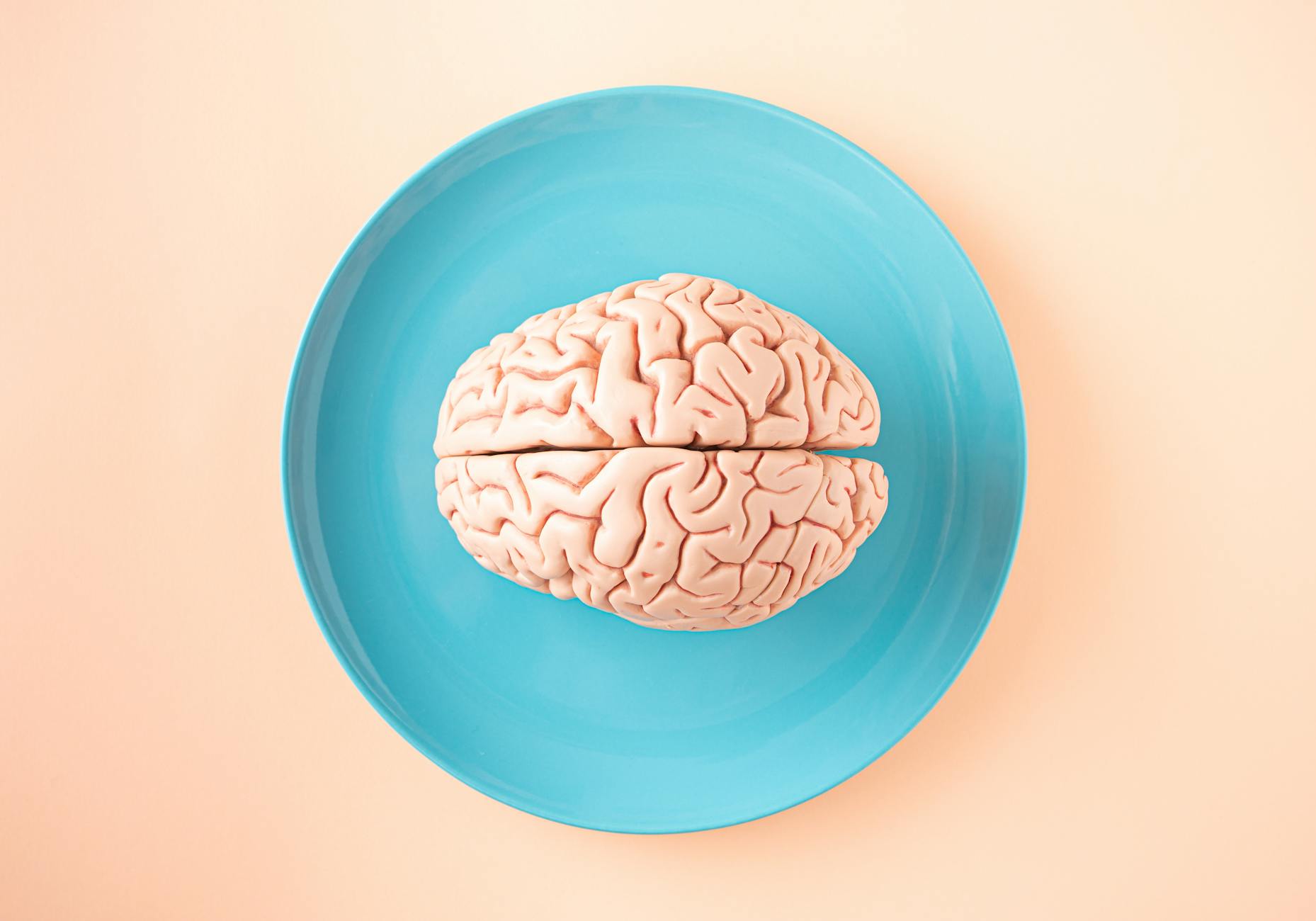
While you may have heard that we only use a very small percent of our brain–I’ve heard as low as 10%–turns out, that’s not true. Current thinking and studies suggest that most people actually use most of their brain. Imaging studies can see different areas of our brain being active during different functions or activities. While some portion of our brain is always active, by studying the brain during different types of activities, we can see that most of our brain is used in our daily lives. In fact, most of our brain is active during most of our daily activities.
Our brain is the most complex organ in our body. It weighs about 3 pounds and contains about 100 billion neurons that carry information to, and from, other parts of our body, at speeds of up to 250 miles per hour! The brain represents 2 percent of our body weight but uses 20 percent of our oxygen and calories. It is 73 percent water. The average brain generates 48 thoughts per minute. That’s almost one every second, and 70,000 thoughts per day!
Clearly, our brains are essential to our survival. Every single thing we will do today involves our brain: Motor function and coordination, taste, smell, sights and sounds, all of our thoughts and feelings, decision making and impulse control, functioning of all of our organs, both voluntary and involuntary, memories, and speech. So keeping our brains healthy should be a top priority. Our memory and cognitive skills actually begin to decline as early as our late 20s, so it seems pretty obvious that we would want to start as soon as possible to keep our brains functioning at top capacity, for all the years that we’ll need them. In addition to being necessary for the daily functions of our life, and being able to maintain our social connections, we also want to continue to learn and experience new things. A well-functioning brain will ensure we can learn new things, and learning new things will help to keep our brains healthy, so each reinforces the other.
Before we talk about what keeps our brains healthy, let’s talk about some conditions that can develop from an unhealthy brain. There are many types of irregular brain conditions. We often think of memory diseases like dementia when we think of brain health. Dementia is a broad term meaning decline in memory, language and problem solving abilities. Alzheimers is a condition and is the most common cause of dementia. There are numerous other conditions that are the result of a brain disorder, including ALS, autism, brain tumors, epilepsy, Parkinson’s and strokes. Some of these are present from birth, and aren’t the result of any actions on our part, while others develop over our lifetime, and may be facilitated, or exacerbated by our lifestyle. Strokes, for example, are often seen in patients with high blood pressure, obesity, smoking, and poor diet. All of these risk factors can be partially, if not completely eliminated with some healthy choices.
Brain Health is dependent on three main factors: Diet, Exercise, and Lifestyle. The good news is that these elements are also good for your body and physical health, so while you’re working on your physical health, you’re also strengthening your brain. Let’s take a look at why each of these is helpful, and what specifically we can do to maximize our brain health.
Diet:
Healthy eating in general will reduce your chances of developing diabetes, heart disease and high blood pressure, conditions that are known to increase risk for dementia. In addition, staying hydrated is very important for our brains. Remember the note above: Our brains are 73 percent water. Being dehydrated by as little as 2 percent can impair our ability to perform tasks requiring attention, memory, and motor skills. In addition to healthful eating, and staying hydrated, the following dietary elements may be beneficial to brain health:
- Vitamin E and Beta Carotene promote brain health. For vitamin E, look for Fruits and vegetables with dark skins, such as spinach, broccoli, and blueberries. Leafy greens are also rich in B vitamins, which play a role in brain health. Those rich in beta carotene include red peppers and sweet potatoes
- Oily fish, which contains omega 3s can help prevent brain shrinkage and support cognitive function. Seek out salmon, mackerel, and tuna
- Walnuts and pecans are rich in antioxidants, which promote brain health
- Dark chocolate and coffee have been shown to improve memory and brain performance
- Caffeine can help perk you up, promote energy, and improve your focus
While no clear link has been established between certain vitamins and memory, the benefits of vitamins in general are clear. Most experts also agree that getting your vitamins from food sources is always preferable to a vitamin supplement. Supplements are not strictly regulated in the US and don’t have to prove that they work. Studies suggest they probably don’t, so skip the over the counter brain and memory boosters.
Exercise:
Regular physical exercise has been shown to boost the size of the hippocampus, the area of the brain involved in verbal memory and learning. Physical activity can also lower risk of heart disease, high blood pressure, and diabetes, all of which increase the risk for dementia. You can further improve your physical, and brain health, by mixing up your fitness routines, incorporating endurance, strength and flexibility exercises. This will not only improve your physical health, but the variety also keeps your brain sharp. Exercise will also help you reduce stress, and sleep better, both of which will keep your brain, and memory, healthy.
Lifestyle:
Aside from diet and exercise, there are other things you can do–or not do–that will benefit your brain health. Start by cutting out cigarettes and excessive alcohol. Smoking is a major risk factor for both dementia, and strokes. It can cause brain swelling, which may contribute to cognitive decline. Alcohol can impair the effectiveness of neurotransmitters in the brain, and also destroy brain cells. Alcohol can also increase your risk of mental health problems, and dementia.
Avoid multitasking. The brain can’t learn or concentrate on two things at once, but it can quickly switch back and forth between tasks and thoughts, so it feels like you’re successfully multitasking. In reality, doing so decreases your attention span, ability to learn, short-term memory, and overall mental performance. So when possible, complete one task before beginning the next. And if you know you need a relatively large chunk of time, schedule the task when you know you have a good chance of not being interrupted.
Stress and depression can cause brain shrinkage, and are risk factors for dementia. So try to reduce stress. I know, easier said than done! Meditation and deep breathing have been found to not only reduce stress and depression, but also to improve memory and attention. Cultivate relationships with the people in your life who are positive and who make you feel better about yourself, and your life. Social contact can provide a sense of connection and purpose, and just the act of conversation forces your brain to use language and vocabulary skills, further sharpening your brain. Spiritual activities such as religion, meditation and practicing gratitude have similar benefits of purpose and support and offer the same benefits as your social interactions.
Other ways to reduce stress include volunteering, and getting outdoors. Helping other people, and getting in tune with nature, are calming, feel-good activities. And don’t be afraid to ask for help. Delegate tasks if you’re feeling overwhelmed. Whether at work, or at home, there is likely someone who is willing, and able, to help.
Lastly, to reduce stress, don’t forget the best medicine, laughter! Sources of laughter can be found everywhere, including your personal friendships, a YouTube video of silly animals, or a live or recorded comedy skit. Counseling can help many of us to reduce stress. It’s good to share feelings of anxiety with someone who is not only objective, but also trained in ways to help you cope. And always seek counseling if you feel your stress, sadness or depression, has gotten worse or is seriously affecting your life.
Get enough sleep. Lack of sleep can affect your mood, energy, focus, and overrall function. In addition, memories get cemented while you sleep, so getting your 7-9 hours will help you to recall those important facts when you need them.
If your goal is to keep your brain sharp, there are strategies to improve those odds. Games are a good way to challenge your brain, and keep those neurotransmitters firing. Try crosswords, puzzles, crafts, sodoku, playing cards, and books. Studies have shown that those who used brain training exercises decreased their risk of dementia by 29 percent. It doesn’t have to be a scientifically created program. Just challenge your brain in as many different ways as possible. We’ve all had days when we drive to work, and can’t remember the drive at all. That kind of programming is not creating the new pathways that are beneficial to our brains. So your brain training doesn’t have to be superchallenging. Just shake up your daily routine with small changes like taking a different route to work, making a brand new dish for dinner, or reaching out to a friend you haven’t spoken to in a while. It should go without saying, that screentime, and in particular, social media, do NOT challenge your brain. So limit the scrolling and pick up a book, or invite your besties or family for a game night.
Most people get worried about their memory as they age. A declining memory is definitely a reality of aging, and most times is not reason for concern. Forgetting someone’s name, or why you went into your bedroom, are normal, especially as we get older. Speak to a doctor if you, or a loved one, is unable to remember the purpose of objects–like what a hairbrush is used for, or if you’re getting lost while walking or driving in an area that should be familiar–or if its affecting your ability to complete daily chores, like taking longer to complete a task that involves multiple steps. If you realize your memory issues are normal, and not signaling a more serious condition, there are some ideas you can try to improve your ability to remember, particularly in a certain area like an upcoming test, or wanting to better remember people’s names when you meet them:
- Use images to remember facts; our brains process images faster than words, and making it silly will make it easier to remember; example: To remember the last name Rosenfield, picture the person running through a large field surrounded by rose bushes
- Use an acronym, like RoyGBiv (the famous acronym to remember the colors of the rainbow) or use a silly phrase: To remember multiple people you met at a party: Richard, David, Sally, John, Savannah: Red Dogs Seem Just Super
- Say it out loud: If I say, I am putting my keys on the dresser, out loud, I’m more likely to remember that later when I’m looking for my keys; better yet, tell someone else
- Write it down or draw a picture
Our brains are vital to all facets of our lives and keeping them functioning at peak capacity will ensure that we can live our best lives. There are many things you can do every day to improve your brain’s performance, and keep it running in top condition and for the most part, the best practices for your brain will also benefit the rest of your body, and will lead to a healthy, active life for all the years to come.
 F Words that are not 4 Letters