I am addicted to True Crime stories. Dateline, 48 Hours, podcasts like Crime Junkie and Dark Downeast are devoted to the topic. And I love them all. Some of these shows wrap things up very nicely: Crime happens, investigation ensues, suspect is identified, suspect is tried and convicted. That’s a very satisfying ending. Of course it’s also interesting when multiple suspects are identified and questions linger as to who the actual perpetrator is. Then there are the cases where an actual suspect is named but prosecutors don’t feel there is enough evidence to arrest and convict. Or maybe there just isn’t enough evidence to even name a suspect. These last cases often go cold, and remain unsolved for decades, or forever.
But there is hope, and it most often comes in the form of forensic science–the use of scientific methods to investigate crimes. Some examples of forensic science include fingerprints, bloodstain patterns, firearms, ballistics, fire analysis, and toxicology.
But perhaps the most influential is DNA.
The molecule DNA has been known since 1869 when it was identified by Johann Miescher. Following his discovery, numerous scientists were involved in linking DNA to its role in genetics. Then, in 1953, Watson and Crick would begin the mapping that we now hear about today. In the 1980s, wider use of DNA testing exploded onto the world scene when Sir Alec Jeffreys developed techniques for genetic DNA fingerprinting–aka DNA profiling– that led to a whole new field of forensic science and a process that is critical nowadays in crime solving.
We all have DNA in nearly all the cells of our body. Interestingly, 99.9% of our DNA is identical to all other humans. So it’s in that .1% that the variations occur that make us unique, and enable us to clearly identify an individual. DNA Fingerprinting is the method of isolating and identifying those variable elements. In this way, DNA fingerprinting is much like traditional fingerprints, in that everyone has a unique profile.
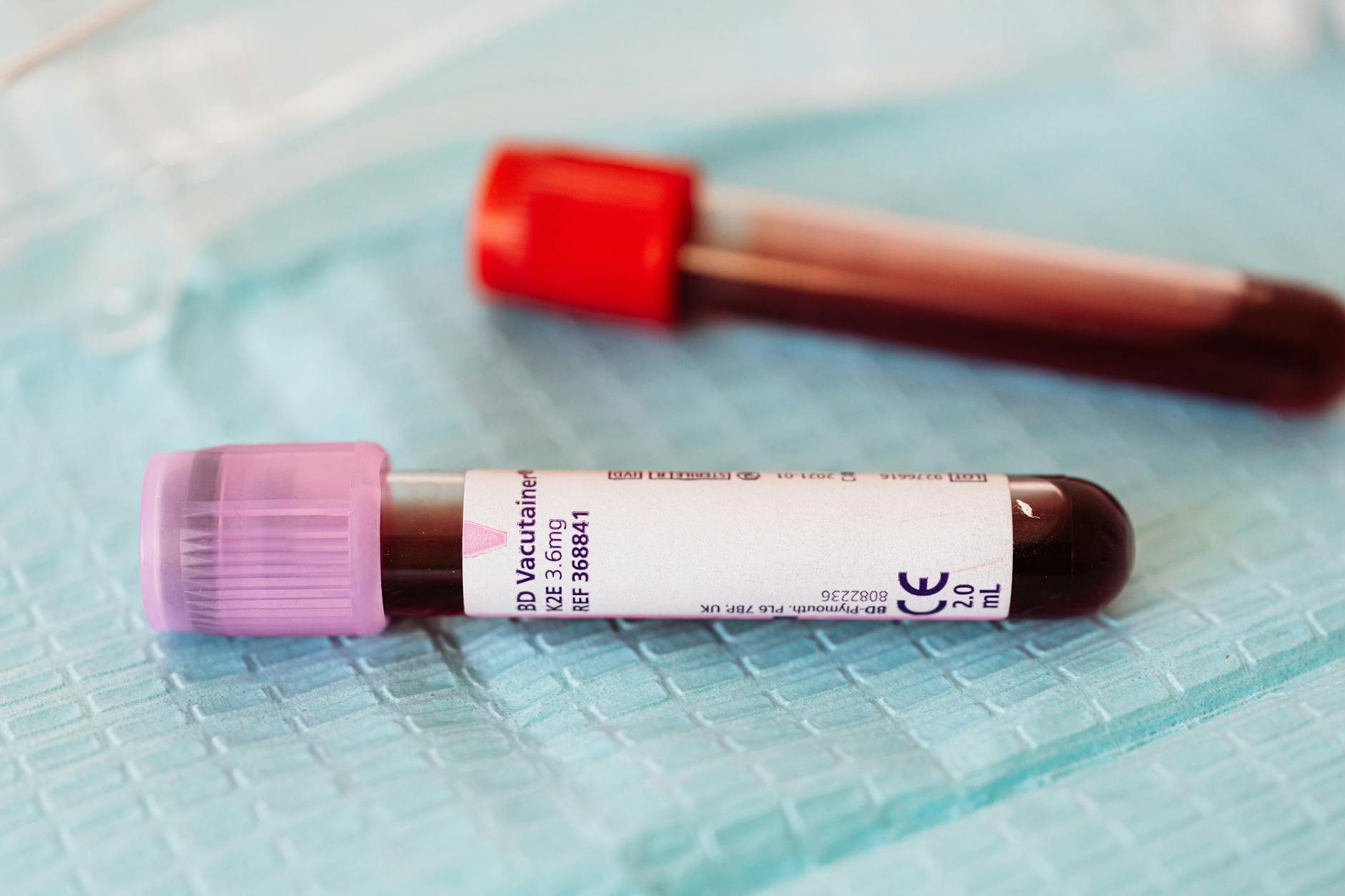
The analyzing of DNA has several practical uses, like paternity testing and genealogy, as well as determining susceptibility to certain diseases. Advanced DNA testing has even allowed researchers to identify mutations in rare genetic disorders that have led to targeted, more effective treatment options for individuals. DNA is most frequently collected from various bodily elements including blood, semen, saliva, urine, feces, hair, teeth, bone, tissue and cells.
But we most often hear DNA in relation to crime solving. One of the first cases using DNA to identify a perpetrator involved Colin Pitchfork, who raped and strangled two young girls—Linda Mann and Dawn Ashworth—in 1983 and 1986, leaving behind semen in both cases. He ultimately became the first person in history to be convicted in 1988 of rape and murder using DNA analysis. In a more recent resolution earlier this year, Anthony Scalici was arrested on a second-degree murder charge in the 2009 killing of his uncle Rosario Prestigiacomo. Detectives from New York and Florida had been watching him for weeks, waiting for a chance to get a sample of his DNA, and were finally successful when Scalici discarded a used fork. DNA from the fork was analyzed and was later matched to blood from the murder scene and DNA found under the deceased’s fingernails.
In addition to identifying new suspects, DNA has also recently garnered favor by providing evidence of innocent individuals who were wrongly convicted. One such case in 1999 involved Kirk Larkin who was exonerated after spending 16 years in prison for a rape he did not commit. DNA testing not only proved his innocence, but also led to the identification and conviction of the true criminal.
DNA has continued to advance over the years, allowing proper profiles to be obtained from smaller samples, different types of samples, and older, degraded samples. Technological advances have also made DNA profiling faster, and more affordable, than prior testing mechanisms.
One critical element to the success of using DNA fingerprinting to identify a victim or criminal: There must be two samples to match against one another: One being a suspect’s DNA and the other a sample from a crime scene. But what if we don’t have a suspect? In this case, the crime scene DNA would be compared to CODIS, the FBI site of DNA samples from convicted felons, to determine if the perpetrator is already in the national database. But if the perpetrator has never been convicted of a felony, then their DNA would not be present in CODIS and a match cannot be made. Until recently, these cases would go cold.
Enter Forensic genealogy. The premise of forensic genealogy is that family members share enough DNA similarities to be able to identify biological family members. In forensic genealogy, the DNA obtained from a crime scene is analyzed, then compared to a public genealogy database, like Ancestry.com, where people have voluntarily entered their DNA, most often in an attempt to locate family members. When this happens, an exact match is unlikely, but sometimes close matches can be found that determine some level of familial relationship with the murderer. The testing is so advanced, that it can even determine the level of familial relationship. For example a close relative, like a brother, or a more extended relationship, like a distant cousin. Genetic genealogy is also often used to identify Jane and John Does–unidentified murder victims.
Genetic genealogy was used in the highly publicized case of the Golden State Killer. In the 1970s and 1980s, an unknown individual was suspected of at least 13 murders, as many as 50 rapes, and numerous burglaries. After decades with no arrests for the crimes, advances in DNA led law enforcement to turn to genetic genealogy. They entered crime scene DNA into a public database and got a match to what was likely a third cousin of the suspect. From there they recreated a family tree, and used investigative procedures to rule family members out based on physical attributes provided by witnesses to the crimes, as well as other strategies like who was physically in the area at the time of the crimes. This lengthy process led to the 2018 arrest of Joseph DeAngelo, who later pled guilty to 13 murders.
An even newer, interesting element of DNA forensics is phenotyping. In phenotyping, scientists use a person’s DNA to determine physical characteristics like eye color, skin color, ancestry, facial shape, height, and freckling. Using this information they can create a profile, and from that, pharmaceutical companies have begun compiling features, and eventually a “picture” similar to a sketch that might be created by a police sketch artist based on a witness’ description of a potential suspect. In one such case, after several body parts (a hand, and later a foot and rib cage) washed up on the rocks in Brooklyn in 2015, with no leads as to the identity of the victim, police used phenotyping to develop a picture of what the deceased person might look like, in the hopes that someone might recognize them and lead to an identification. The process has also been used to attempt to identify suspects.
There is a lot of debate over the usefulness/fairness/legality of using phenotyping. Detractors question its accuracy and fear it could lead to arrests of innocent people, based solely on a close likeness. Indeed, there have been individuals who have been questioned, who were later released after DNA to DNA comparisons were made, eliminating the individual as the perpetrator. And the phenotyping process is very expensive: $4000-$5000.
DNA testing is not a magic solution. Some potential limitations and drawbacks include: Environmental factors such as heat, sunlight, bacteria and mold destroying DNA evidence, DNA being unable to determine WHEN the suspect was at the crime scene, Lack of sufficient samples, Expense, contamination, and fraudulent transfer of DNA can sometimes affect accuracy.
But the number of cases that have been solved using DNA evidence are countless. This includes suspect identification, victim identification, and suspect and convicted suspect exoneration. If you’re a family member of a victim, or of a wrongly convicted suspect who was later cleared, you are likely very relieved that DNA brought about a resolution. In the world of crime solving, DNA is still the best weapon we have.


 F Words that are not 4 Letters