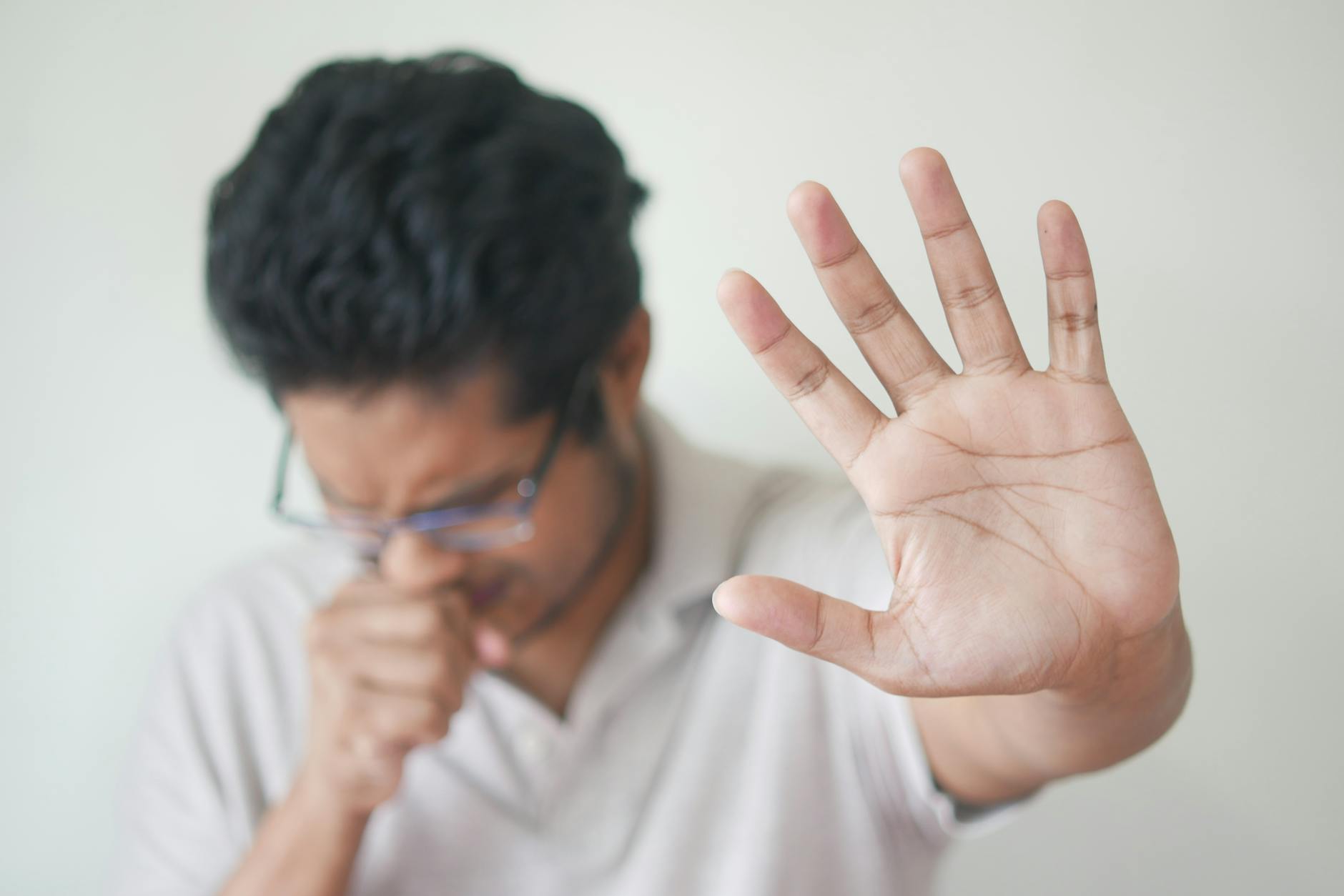
Discuss politics? No, thank you.
There are several reasons for this. The first is that I am not the most knowledgeable person on political topics, so I’m not really in a position to debate policy with you. Also, I work with the public and so taking sides can mean alienating a customer, or presenting a look that is not the best for my employer. But mostly, I just don’t enjoy it.
I usually decline to get into a political conversation and will plead ignorance on the topic. I do not want to voice an opinion only to be greeted with random facts that start with “Well, did you know. . .? ” No. No, I did not. And I don’t know that it’s even a fact based on just you telling me it is. Let’s face it. Knowing fact from fiction gets harder every day. So if it will put an end to the conversation, I will readily admit you know more about it than I do, and therefore, there is no reason to discuss it.
I’m in an occupation where I have conversations with many different people on a daily basis. Trust me, I never bring it up, but many people feel the need to slide it into our conversation. They’ll say, “I don’t know who you support, but. . . ” or “Not to get political, but . . .” So I often plead the fifth. I’ll just smile when someone insists on sharing their opinions with me. I never share my political affiliation, minor though it may be, and I do my best to discourage the conversation. The most they’ll get from me is “that’s very frustrating.”
Because it’s always a complaint, isn’t it? The people I know who claim to know the most about politics–the supposed “informed” people–are angry, bitter, or sad. That’s on both sides of the aisle. Doesn’t matter which side you’re on. And conversation usually takes the form of complaining about the “others.” It’s almost always about people. What this one is doing or what that one is doing. Whether or not their guy is the one in power, they will still take any opportunity to disparage those who are in opposition to their views. Seems to me that conversations of this sort always leave everyone feeling worse. There’s not a lot to be optimistic about when someone begins the conversation with a complaint. And if they’re hoping to change someone’s mind, well, that never happens.
I had someone in my office several days ago who was so disgusted and upset about something she had seen on social media that she honestly seemed depressed and completely anxious about the whole thing. I was genuinely concerned for her state of mind. I’m certain that if I were analyzing everything and compulsively watching news and social media each day, that I would certainly be angrier and more anxious too. That doesn’t feel like a healthy place for anyone to be. It must be a full time job for the informed. It certainly is for many people I see on social media. It certainly is for my recent, distraught customer. And its a job that doesn’t pay well financially, or emotionally.
And trust me, I respect all opinions. Let’s face it, no political party is “right” on every issue. I even know that often I might be wrong, based on the facts. Also, I admire their passion. I too love our country, and believe that democracy is a great thing. I just don’t often recognize democracy in our current political systems. I am neither a historian nor a political science student, but I think the point of democracy was for people with differing opinions to work together to find the best solution for everyone. Or in the absence of agreement, for a vote to take place so the majority can decide.
I do watch the news. But how much news is too much? Is there such a thing as being too informed? And how do you ensure that you’re hearing both sides? I know the channels I watch are biased. It’s very clear to me. But that doesn’t mean I agree with all of their assessments. I try to think about the “issue” vs the “individual,” using my own moral code, and respect for our history and tradition and values of our country.
I also vote. And that’s one recommendation I can make to everyone. It might be the only power we have, and the only thing we can all agree on in terms of what we should be doing. When I vote, I consider my feeling about what is “right,” and “ethical,” both of these terms encompassing my own belief system, no doubt with it’s foundation in my upbringing. Your feelings about what is right might be different from mine. That’s great! that’s what Democracy is all about. I will continue to respect your opinion, and we can still be friends, just don’t try engaging me in a conversation on voting day.
In my perfect world, we could have a conversation together and share our opinions with each other, listen to one another. This might lead to each of us being better able to see the other person’s perspective, and ultimately could lead to a solution that satisfies both of us. And in the absence of that utopian process, I respectfully decline to talk about it.
 F Words that are not 4 Letters