Keeping the Peace

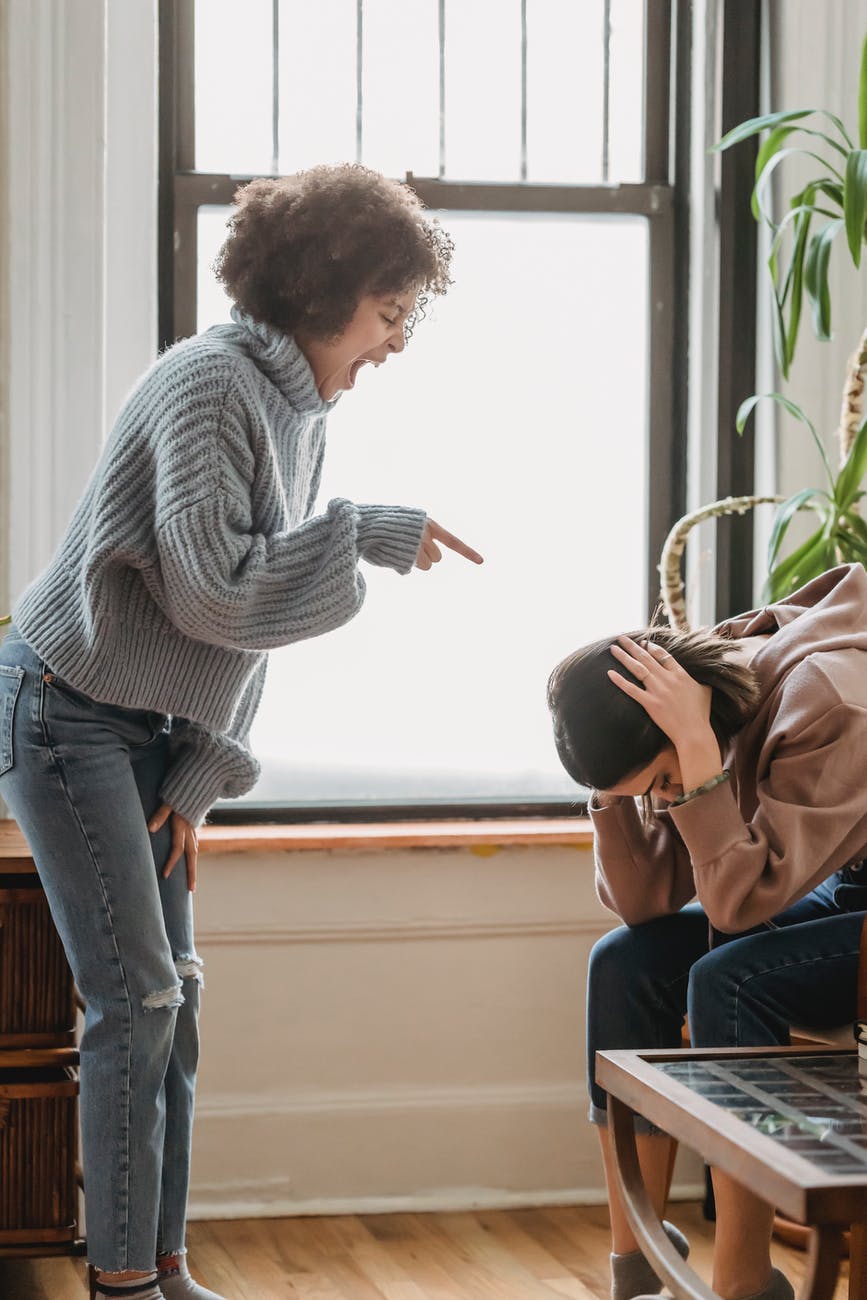
Photo by Liza Summer on Pexels.com

You’ve probably heard that your sibling placement is often very telling of some of your personality characteristics. The first born is responsible, a leader, maybe even bossy. The baby is social, creative, attention seeking. Only children are often described as selfish, independent, and ambitious.

But I am the middle child, the peacekeeper. It didn’t help that my older and younger siblings were both boys, prone to physical fighting and arguments. I remember days of trying to keep them apart, and protecting my younger brother from being picked on by the oldest.

The trait has followed me into adulthood. I don’t enjoy conflict, preferring for everyone to get along. It’s part of why my friend tribe suits me so well. The supportive nature of our relationship means we do not argue or get into fights. That doesn’t mean we don’t disagree, but everyone is always respectful and our goal is always the same. We always wish the best for each other. Hanging with them is never tense or anxiety provoking. Not surprisingly, each of us in our group thinks of ourselves as the peacekeeper in our lives, sibling placement notwithstanding!

But conflicts exist in all other areas of my life. Household family, extended family, and the workplace. I don’t think the key players in these relationships are always conscious of my role as peacekeeper, but I find that when two people in my life are having a disagreement with each other, they both will come to me to plead their case and potentially ask for my assistance. Sometimes they just want to be heard and blow off a little steam. Other times they’re asking for me to take an active role in sorting out the disagreement. So in this way, everyone’s problems eventually become my problem.

I do prefer this role to the fighting that might otherwise ensue. I’m pretty good at finding middle ground, and understanding what works best with each party; at discovering a compromise. Part of my role as peacekeeper is always giving others the benefit of the doubt, and trying to see things from their point of view. Their behavior may seem crazy to us: How is it possible he did not notice that the trash needs to go out? Why does she feel the need to move any object on top of a surface so that the person who left it there cannot find it? Why does the colleague at work refuse to answer the continuously ringing phone, causing frustration for others?

Yes, I can understand all of these things. And part of my peacekeeping mission is to help others to understand as well. And while anyone who wants to preserve a relationship will try to make changes to please the aggrieved, it is true that we can really only change ourselves, which means changing our reactions to the annoyances of others, and learning how to ask for something different.

So, I counsel. I remind one that a teenage boy is not trying to anger those around him by failing to take out the trash. It is simply that other things in his life are more important and he honestly does not think about trash. I let someone else know that not everyone was raised in the same environment as we were, and that others may come from an upbringing where you were punished for leaving items out where they don’t belong. I gently inform coworkers that some people are not as comfortable socially as others, and that for some, handling a phone conversation can be a very daunting task.

It can be summed up, I think, as empathy. Putting yourself in the others shoes and trying to understand things from their point of view. It’s not easy, and not everyone can do it. Often people are so engrossed in their own disbelief of how others handle a situation that they cannot envision another way of thinking about it. But this is essential to maintaining your relationships. Understanding others reactions and changing your way of handling things to meet them halfway. Of course, the hope is that they will do the same to meet you half way. That is the peacekeepers objective.

While I frequently groan as I’m having a difficult day at work and receive a text from one family member, unhappy with another, I don’t really regret my peacekeeping role. I know that its better for me to have less conflict in my life, and to know that the ones that I love the most are also in a more peaceful place. We have enough challenges already as we navigate life, without a daily struggle to simply coexist with those who are closest to us. At the end of a day, I’d rather know that I helped to reduce tensions in adjacent relationships than to be sitting worried about what I’ll hear from this one or that one, or worse, have to be in the same room with two people who are angry at one another.

If you feel as though you might NOT be the peacekeeper in your life, I encourage you to join us! You don’t have to be a middle child, or a mom, or even an adult, to help bring a little more peace to your world and the world around you. Here are some best practices that have worked for me in the past:

–Encourage both parties to separate when things get contentious

–Listen to both sides

–Try to find a shared goal (we all want to live in a clean house!)

–If possible (and if not too antagonistic) have the two parties speak to one another about the specific item that is bothering them

–Have both parties suggest something they can do to help keep peace with the other

–Hold family (or work) meetings to discuss issues as a group

–When all else fails, seek professional help

These skills come more naturally to some than to others. Even though I feel a certain predisposition to my peacekeeper role, I am constantly learning new aspects and having to refine my skills. And I am not always successful. Some issues are so contentious that there is no viable resolution. And sometimes, someone is just not willing to listen. But I carry on, because having peace in my life is worth the effort.
The Perfect Exercise. . . For Me

Exercise is a very personal matter. When, where, what type, what duration, what intensity. These are all very individual preferences and decisions. No one can tell you what will work best for you, simply based on what has worked for them. And you do hear a lot of conflicting information about what is best. Cardio or strength training? Long sessions or short bursts? Heavy weights or high repetitions? Gym or home?

I have done a lot of reading, experimenting and rejecting of exercise in my day. And I have learned that there are 2 basic truths:

  1. Exercise is good
  2. The BEST exercise is the one that you will actually come back to again and again

I suspect a lot of you have, at one time or another, obtained a gym membership. Maybe you’ve embraced these workouts, developed a schedule, made notes of your progress. Or maybe, you attended faithfully for the first month, then once or twice over the next several months, and finally, the only gym related activities you’re involved in are watching them debit your checking account every month.

So keep trying anything that is not dangerous, especially if its interesting to you. Many things won’t stick, for any number of reasons. But occasionally, something will, and it may become a part of your life for many years to come, or maybe even forever.

One such activity, for me, is hiking. “Hike” is defined as “to walk or march a great distance, especiallly through rural areas.” Pretty broad and wide reaching definition. Which sort of sums up hiking for me.

I fell in love with hiking over 20 years ago. At that time the motivation was the reward at the end of the trail. I climbed to my first stunning view of the White Mountains and I was hooked. Knowing that vista was waiting for me was enough to keep me climbing. Each time you attempt a different uphill hike, the view is different, but spectacular. To this day I have still not gotten used to, or bored with, the view you can get from such an altitude.

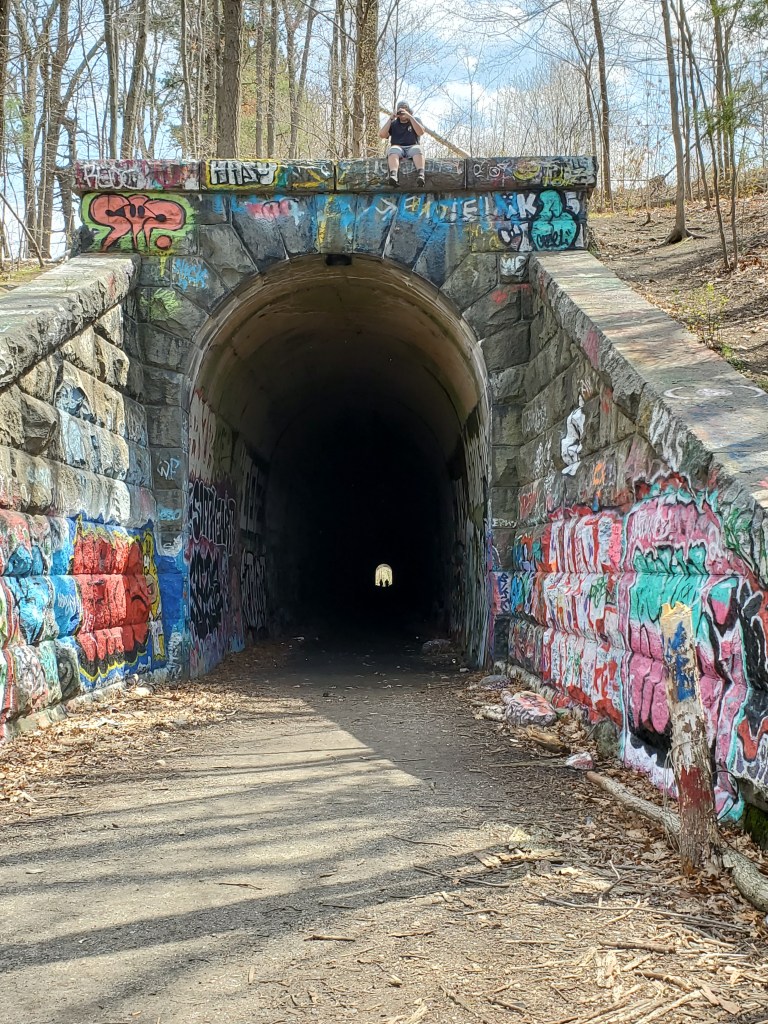
Aside from an amazing view at the end, there are so many other beautiful things to see: Wildlife like deer, snakes, birds, beavers and dams, and butterflies; amazing variants in trees and flowers; tunnels and caves; streams, rivers, and beautiful waterfalls. I remember one hike my friend Jeanne and I took with our husbands at the time which was a very difficult, constant uphill journey. Once we reached our destination we were surprised to find a gorgeous swimming hole. The guys stripped down to their underwear and we all enjoyed cooling off in the water before heading back down. A great adventure and a forever memory.

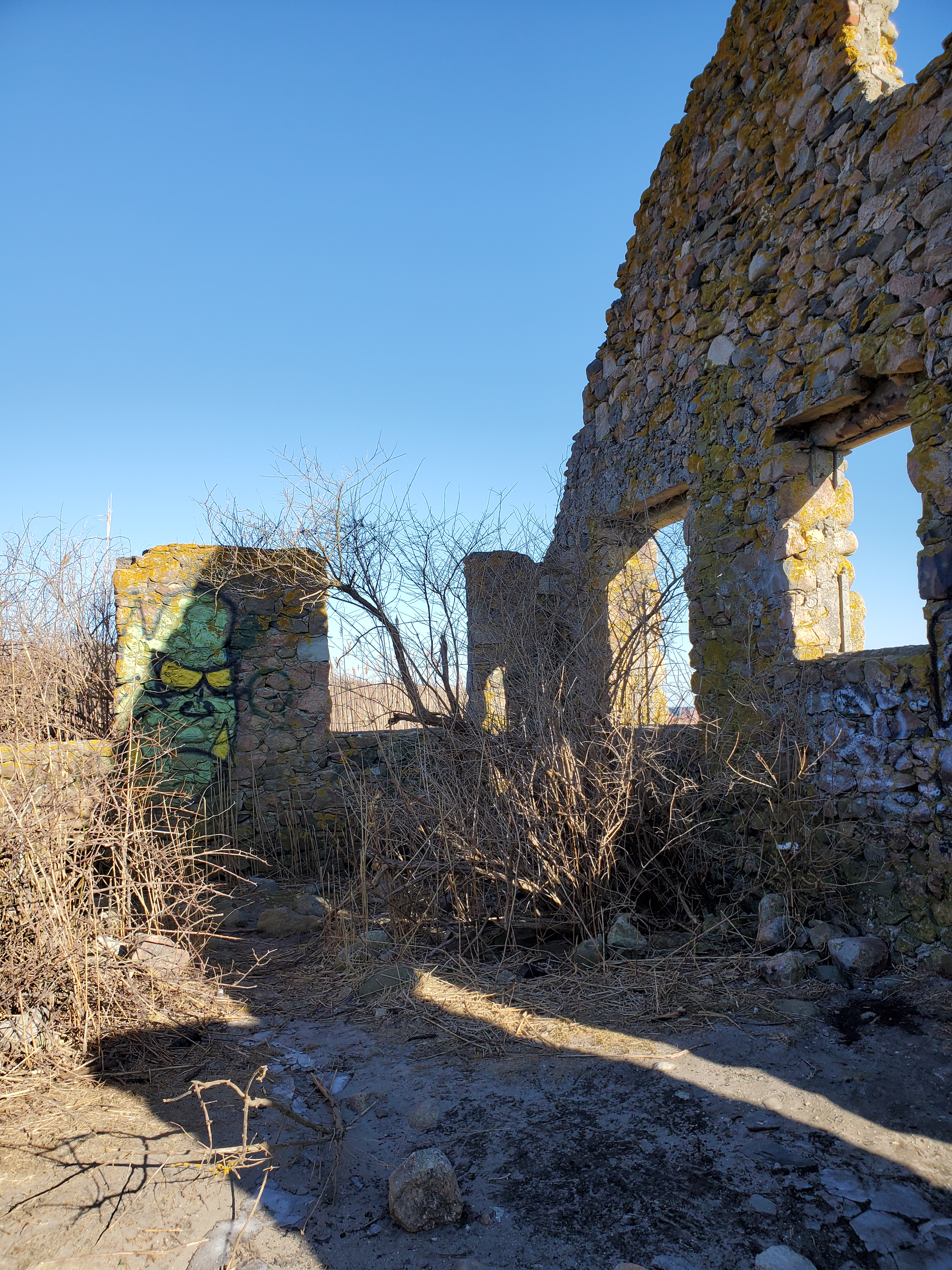
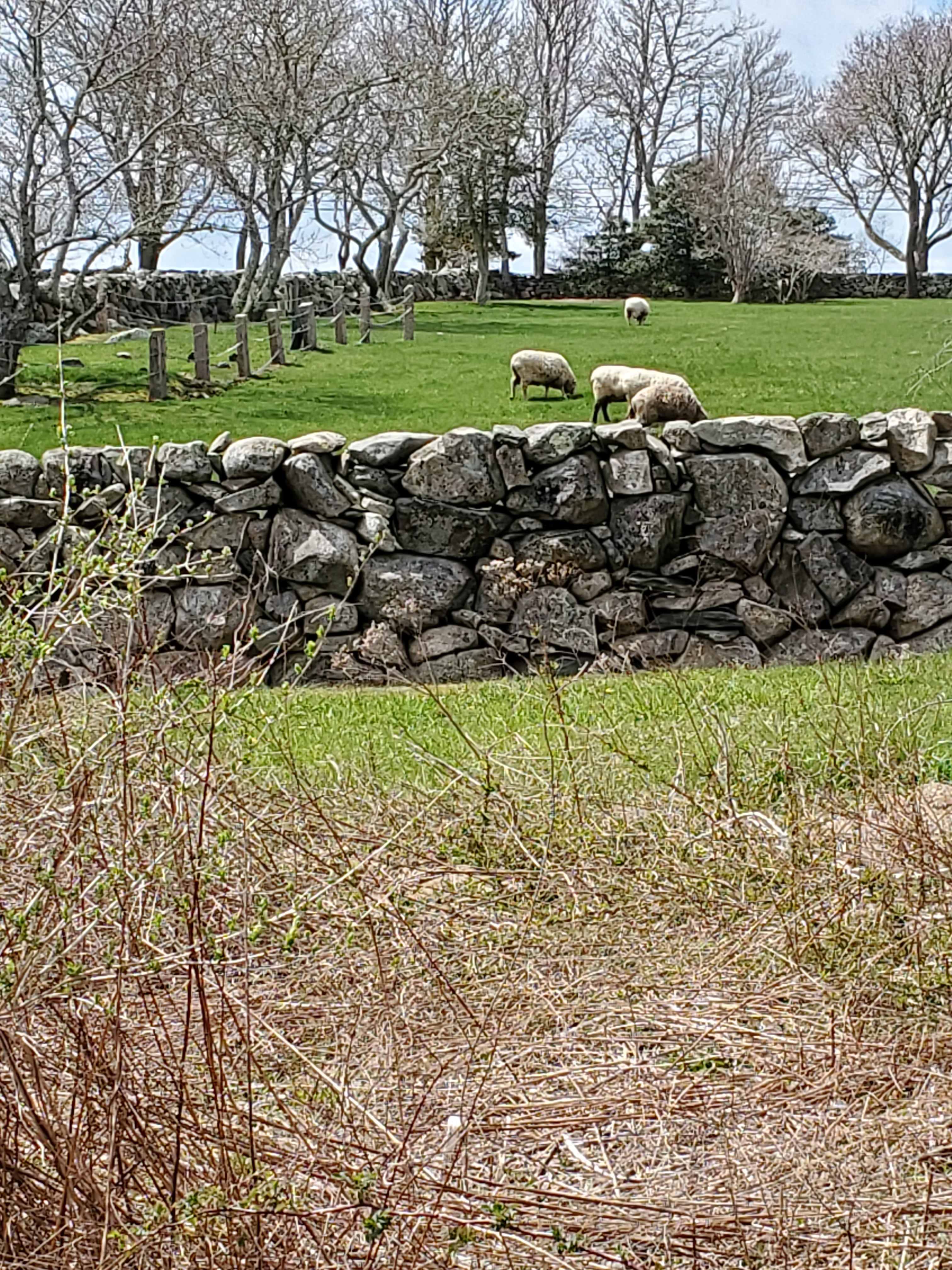
Sometimes there’s a known structure you might be heading for, or something unexpected. Stone walls are very common. On well travelled trails there might be a boardwalk to cover muddy areas, or a footbridge to cross a stream. Remains of something larger can often be found. Homes, castles, cemeteries, plane wrecks, towers, even whole villages are out there waiting to be explored. It’s not difficult to find such spots if you do a little digging.

Gorgeous sights at every turn are not the only reason I fell in love with hiking. Hiking can be any level of physical exertion that you wish. You can find a flat, wide path around a small pond with very little elevation or rough terrain. Alternatively, you can attempt a steep climb that will use every muscle in your body and leave you breathless at the top, and sore the next day. Or you can find any level in between. And you can choose not only the exertion level, but also the length of time you spend, from the 10 minutes it will take you to hike from the parking lot out to Doanes Falls in the Berkshires in Massachusetts, to an overnight, steep trip climbing Mount Washington in New Hampshire. In every case, its great cardiovascular exercise, and in many cases, also a challenging leg workout.

If the scenery and workout benefits aren’t enough of a reason, hiking can also offer a sense of peace that you will find nowhere else. I rarely hike alone–only on well-travelled, smaller, flat trails, with other people around and minimal chance of an injury–but when hiking with a partner like my boyfriend, Jay, we can walk along for periods of time in complete silence, literally leaving the hustle and bustle behind us. And, interestingly enough, if you seek the opposite, some social interaction, hiking is also ideal for that. Recently, during covid days, my friends and I would meet on a saturday or sunday morning for a hike in the woods where we could catch up, share some laughs, and still get in some much needed fresh air and exercise.

I’m sure it’s easy to see why hiking is my preferred method of exercise.

Itching to get started? When you are planning some hiking, be sure to do your homework, and be prepared. Figure out what type of hike you want to attempt and find a good spot. Alltrails is a popular app that lists hundreds of trails within driving distance and will give you the information you need: terrain type, level of difficulty, how long it should take. In most cases you’ll even find a map to help make sure you don’t get lost. Its good to familiarize yourself with the details of the trail before you start out. Take it from someone who gets lost easily, and has gotten lost several times in the woods. This is especially true if there are multiple trails in the area. You want to know which trail you are following and know which way you need to head if you come to an intersection or your 30 minute hike can quickly become a 2 hour hike. If possible, take a screen shot of the trail as you will often not have a signal on your phone once you’re out on your hike in the woods.

Be prepared to be comfortable with whichever type of hike you choose. Comfortable clothing and shoes are a necessity. A short, flat hike can be attempted with regular walking shoes or sneakers. When attempting anything uphill, or rocky, you’ll want a sturdier, traction shoe or hiking boot. Will it be cold or rainy? Plan for that. Bring water on any length hike, and snacks for longer hikes. You’ll want a comfortable backpack for your supplies. Lastly, bug spray is essential, particularly something to combat ticks, which are inevitable in the woods.

Hiking has it all: A Peaceful, short stroll in a beautiful environment or a heart-pounding, longer workout with lots of chatter and companions, you can alter hiking to any energy level, social level, timeframe, and goal. To pick out your first hike, identify the element that is most important to you and use an app, or an online search to locate options close to you. Or keep an eye on my blog, where I’ll be featuring some of my favorites in the future. In the meantime, if you’re looking for me, I’m probably on the trails.