Why Your Weight Workout Doesn’t Always Feel Like Progress

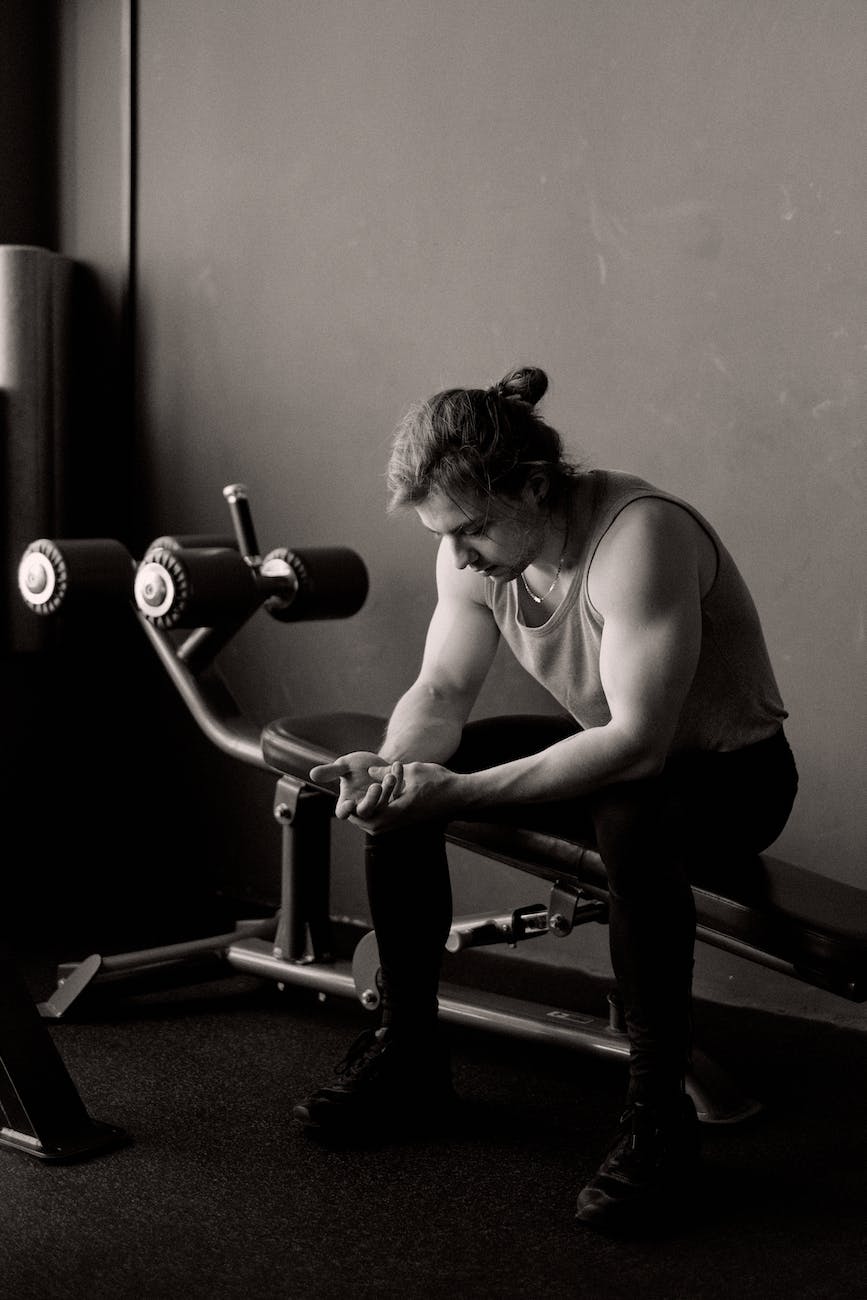
Photo by Ivan Samkov on Pexels.com

Some days, when I’m working out, I feel like I can go forever. Lift heavier weight, do more reps, last longer. And other days, I’m struggling with lower weights. What’s going on? Have I lost some of my endurance? Some muscle?

Fortunately, a less than stellar workout probably doesn’t mean you’ve lost some of your hard-earned rewards in the form of muscle or endurance. It takes about 2 months of not working out before you lose muscle/strength. So what’s the reason for the somewhat sluggish feeling we sometimes get when performing our normal workout?

There could be many reasons why a workout just doesn’t feel up to par on any given day.

Possibility number one: Water is King. Studies have shown that working out in a dehydrated state will result in inferior results. In addition to decreased results, working out while dehydrated can cause headaches, dizziness, low blood sugar, low blood pressure and nausea. Water is critical for so many functions within our bodies. Of particular interest to your workout routine, it regulates body temperature to prevent overheating, lubricates joints and muscles, maintains blood pressure, improves circulation, transports nutrients and oxygen throughout your body, prevents fatigue, and encourages sweating. So drink up before, during, and after your sweat session.

Nutrition is also important. Glycogen is the fuel source your muscles use for strenuous activity. Your muscles can only store so much glycogen, so it must be replenished in the form of carbohydrates. The most popular thinking is that you should fuel up one to three hours before your workout with healthy carbs (sweet potatoes, whole grains, fruits and vegetables), and then refuel with some protein within an hour post-workout. A study from the Journal of Strength and Conditioning found that athletes who limited their carb intake for two days to create a glycogen depletion displayed a significant decrease in the number of reps they could perform compared to their normal routine.

If you’re fasting, It’s okay to work out while fasting, but maybe until your body adjusts, you should stick to workouts that fall during your eating window. In particular, if you’re doing an intense workout, or a heavy weight lifting workout, try to do it following some carb intake, as opposed to deep into your fasting state.

In addition to carbs, vitamins and minerals play an important role in workout success. Thiamin, Niacin, and vitamins C and D prevent muscle breakdown, transport oxygen throughout the body, and can aid in muscle recovery. B vitamins, in particular, are important in your workouts as they convert carbs to energy. a lack of B vitamins can interfere with muscle performance and increase fatigue and likelihood of injury.

Sleep Quantity-Sleep is so important to all aspects of our health, but in particular, to our workouts. Research has shown that adequate sleep (aim for 8 hours a night) in athletes equates to faster results, better reaction times, ability to lift more weight, and more accuracy in performance. Lack of sleep will also make it harder to build strength and muscle mass because sleep is when growth hormones are released to repair and restore (build) muscle as well as when glycogen is replenished after being depleted from exercise. On a more obvious note, being fatigued will cause you to give up, or fail to complete your goal weight or number of repetitions during a workout.

Stress levels-Stress saps resources from your body and will leave you feeling tired and rundown. Not good for workouts. Stress can also lead to less focus and muscle tension, both of which can increase your risk of injury. While relieving stress is easier said than done, try getting more sleep, or try meditation. In addition, taking more rest between workouts may help. (Read on!)

Overtraining/Lack of rest time between workouts: The most popular theory is to wait 48 hours between body part workouts. Some experts feel that abdominals do not need the same amount of rest as your other muscle groups. The belief is that abs recover faster, so if you’re hoping to work your abs as much as possible, aim for every other day at the most. But for all of your different muscles, do not think of your rest time as being unproductive! This is when the magic happens. While your muscles are resting fibroblasts repair the tears in the muscles that were caused by exercise, helping the tissue heal, grow, and get stronger. In addition glycogen that was depleted during your workout is replenished while you rest. Lack of adequate rest periods can result in overtraining, and you may see your results decline. Overtraining can also endanger your health by suppressing immune function. Give your body the rest it needs to meet your goals.

Mood- A bad mood can lead to a bad workout, or worse–no workout. You may have lower motivation, or a fatigued feeling. But if you’re feeling down or blue, don’t skip your workout. The evidence is clear that one of the best mood busters is exercise, which can actually help you to feel better, both by releasing mood improving endorphins, and by making you feel good about yourself and happy that you’ve stayed on track for meeting your goal of staying healthier. If you still are finding excuses to skip, commit to something, even if its a short workout. Or, make an appointment to meet friends for some exercise so you aren’t tempted to cancel.

Training partners- a good training partner can decrease the likelihood you’ll back out of a workout. They can encourage you with words, motivate you to keep going by pushing through together, and helping you to know when to take it to the next level. They may even offer safety by spotting during a weight increase or trying a new move. Unfortunately, the opposite is also true. If your partner is frequently late, or negative, their presence may be more harmful than helpful. Even being too chatty can sabotage your workouts. If you have a partner who doesn’t push you and never encourages or supports you, it may be time to move on.

Warmup/preworkout-A warmup will get your body temperature up and increase blood flow to your muscles, as well as preparing your heart for a workout, so when you’re ready to really get into the workout, you may already have a head start, making your workout more productive. A warmup can also reduce risk of injury and soreness, and increase your flexibility and range of motion, improving the feel and quality of your workout. Lastly, a warmup can help you mentally prepare for the workout to come. We all know the hardest part is getting started, so if you start with a lighter warmup, you’ll energize and motivate yourself to give your best effort once you get to the heart of the exercise.

Any one, or a combination of these factors can cause your workout to suffer.

Bottom line: A single off day is probably no big deal, and nothing to worry about. If your workouts feel less than satisfactory for several days in a row, or happen regularly, check to see if one of these possibilities might be the culprit, and make an adjustment for next time. A sluggish workout from time to time will not derail your fitness goals. In other words, don’t sweat it.

See what I did there?

The Order of your Exercises Matters. Probably.

Photo by Karolina Grabowska on Pexels.com

So maybe you’ve just begun a new exercise program, or maybe you’ve been exercising for years. Either way, good for you! It’s so important to our physical and mental well-being! Does your plan consist of cardio? Strength training? Both? Whatever your strategy, you may have wondered about the order of your exercises and whether or not it makes a difference. The answer is. . . It depends.

The question you need to ask yourself is, “What is My Goal?” The bottom line is that you have the most energy and strength at the beginning of your workout, so based on what you want to accomplish, you need to perform the high priority and/or more complex exercises first.

So if your goal is to improve strength and muscle, focus on those activities first. In one study published in The Journal of Strength and Conditioning Research, researchers compared the following workouts: only strength training, running then strength training, and cycling then strength training. The exercisers did fewer reps during their strength training exercises if they had just run or cycled vs doing their strength movements first.

And within your strength training workout, you’ll want to complete the exercises that require more strength and energy at the beginning. In most cases this means the more complex moves involving multiple body parts (for example, squats) before single body part moves (like biceps curls).

Now if your goal is to run a marathon, then you would do well to perform your running activity prior to your weight-bearing exercises, when your energy level is at its highest.

If your goal is simply to improve your overrall fitness, then the order doesn’t really matter at all. A recent study published in the journal “Medicine and Science in Sports and Exercise” determined that over the course of 24 weeks, participants gained the same increases in both muscle mass and aerobic capacity whether they began their workouts with strength training or cardio.

Here are some guidelines for prioritizing the different aspects of your workout:

  • When incorporating both cardio and strength training, start with the one that more closely aligns to your goal, as whichever you do first is probably going to get your best effort and yield the most results
  • Alternately, do your cardio and strength training on different days altogether
  • Do harder, more technical and/or full body movements before smaller muscle movements
  • If you want to show your smaller muscle groups some more love, try working them prior to a cardio workout, or by themselves on a rest day
  • Do exercises requiring the most energy first; think burpees before triceps extensions
  • If you’re working different body parts on different days, change up the order you complete your sets, as once again, the first exercise is getting your best effort
  • Do your core/abs last; many other compound exercises also engage your core, so you don’t want an exhausted midsection when doing your pushups
  • Work different body parts on different days (for example, chest, shoulders, biceps, then back, triceps, then legs, abs); by doing this and then alternating exercise order on each day, all body parts get a chance to get the most maximized workout

Help Your Kids With an Early Start to Physical Fitness

Photo by Valeria Ushakova on Pexels.com

I’ve been practicing good physical fitness for about 30 years. That sounds like a long time, but I actually didn’t start to think about my health in this way until after I was married. I was relatively active as a youngster. I grew up next to a school and so had easy access to an area well suited for sports. Basketball, wiffle ball and kickball were daily occurrences while the weather cooperated.

But I didn’t really think about what was healthy, and as I entered my teen years, and socializing became a bigger part of my life, there were fewer basketball games and more card games, and I started to gain weight. I could sense my endurance diminishing in the rarer cases that I found myself needing to run, or participate in something active.

When I finally started to take my health more seriously, I had a lot of starts and stops. I did some research, set up a small gym for myself in the basement, and began teaching myself how to work out. It wasn’t easy. I know I slipped many times, telling myself I was too tired, or too busy. But I started to get into a routine. It was easier for me to work out in the evenings, so I got right to it when I got home at the end of my workday. I alternated cardio (back then we called it aerobics) workouts with strength training, spending 30-45 minutes a day. I started to see results. And I liked it. My arms were more defined, and I had abs! I slowly lost some weight and I felt great. I became addicted to the way I looked and felt.

My workouts have changed frequently over the years, sometimes more intense, sometimes less. Sometimes a greater focus on cardio, sometimes strength training, but I have always maintained a schedule and a routine. I might take a week off during the busy holiday season or when things are crazy at work, and I have changed my workouts to mornings now, but staying physically active is still a big, consistent part of my life.

One thing I’m certain of: It is much easier to stay in shape, than to get out of shape and have to get back in shape. So I frequently wonder, would things have been easier if I had started my journey to physical fitness earlier, as a child? And would the benefits have been greater?

Many of the ailments that plague adults, such as diabetes, high blood pressure, and obesity, have their roots in early childhood. By starting an exercise routine early, these maladies can often be avoided. So it seems to make sense that teaching kids about physical fitness at an early age is a great idea.

Children are the recipients of the same physical benefits as adults when it comes to both cardio and strength training exercise:

  • Increased strength and endurance
  • Increased flexibility
  • Improved posture
  • Increase metabolism
  • Enhanced motor skills

In addition, there are numerous non-physical benefits that can be particularly helpful to children:

  • Psychological well-being
  • Improved sleep
  • Setting, and working toward goals
  • Improved self-esteem

So how can you, as a parent, get your kids on the right path? Kids naturally love to move and play, so encourage this whenever possible. If their screen time seems to be higher than usual on a particular day, head outside for a game of tag or hide and seek. If the weather is preventing you from going outside and you’re looking for some indoor inspiration, check out kids workouts on YouTube. With your smart tv you can display the workout on a big screen and the kids will feel like they’re attending a fun class. Here are some more suggestions to help you get started and stay on track.

  • Make physical activity part of your daily routine, from the time kids can walk
  • Engage in lots of active play time both indoors and outdoors
  • Try lots of new activities and make it fun
  • Let them know about the benefits of staying active and how they’re keeping their bodies healthy
  • Make it part of a daily routine much like eating, brushing teeth, and sleeping
  • Exercise with them and emphasize benefits like improved strength and endurance

As they get older, you can make physical activity more structured: Okay we’re going to work out now so our bodies stay strong and healthy! Kids as young as 6 or 7 can understand a routine and also benefit from more structured routines, like strength training. If you’re not sure how to start with something like this, find an online resource to be sure you’re doing it safely. In particular always:

  • Consult with a doctor before beginning a strength training routine, especially if any medical conditions exist
  • Warm up and stretch before exercising
  • Use proper form
  • Stay hydrated
  • Be sure to take days off between strength training workouts
  • Don’t forget to breathe!

No matter the age of your kids, you can still institute some healthier habits. If they’re a little older you may need to start slowly with small changes, or exploit an activity you know they already enjoy by offering to take them to the skate park or basketball court. Like most behaviors, a good role model is the best teacher, so let them see you being active and exercising even on days when you can’t convince them to join you. By building these good habits early, you’re helping them to be healthy and preventing undesired medical conditions like obesity, diabetes and high blood pressure. In addition you will likely see their confidence and self-esteem improve as they see the benefits of regular exercise. So what are you waiting for? Go grab your kids and get active!

My Home Sweet Home Workout

I am faithful with my workouts and exercise routine but I have never had a gym membership. Does that seem unusual? I recently read that approximately 14% of the US population currently has a gym membership. That might not sound like much until you consider that that is 45 million people. Is it worth it?

I understand some of the reasons people tell themselves they need a gym membership: The gym has the necessary equipment needed; the gym offers classes and/or instruction; Paying for a membership will keep me motivated.

I disagree on all counts. Unless you are a high endurance athlete, you don’t need a large quantity of different types of equipment. There are an unlimited number of ways to get an at-home workout regardless of the type of workout you’re looking for. Cardio, weight bearing, yoga, pilates are all easily arranged at home. Your home gym can be completed with a couple of sets of differing dumbbell weights and access to the internet. My home gym includes 5 sets of dumbbells and a mat. And even the mat is optional. If you’re going to be doing floor exercises, you can use a carpeted area, or a blanket or a towel for a little cushioning from a hard floor.

In terms of putting together a workout program, there is no better resource than Social Media. My go-to recently has been YouTube. There are options here for classes, instruction, and unlimited varieties of workouts. Whether you want to begin a cardio workout or a weight bearing workout (and even if you don’t know which of these you should start with), there is a YouTube video to guide you. There are resources to help you decide what type of workout to do, how often to do it and for how long. You can search by goal (I want to build muscle, burn fat, get in shape for a marathon), by body part, by equipment type, or by time available. For example, I usually break up my weight workouts by body sections. I work upper body one day, and lower body another day. Sometimes my lower body is just legs and I’ll do abs alone on a third day. If I’m short on time, I can search for a 10 minute ab workout, and will be provided with numerous options to choose from. You can further refine your options by searching for beginner ab workouts or floor ab workouts. I have never entered search criteria for a workout and come back with no results. And if you have a smart tv, you can get your workout on the big screen.

Aside from social media options, one of the most enjoyable ways of getting gym-free exercise is to get outside. Take a walk or hike with friends, play some tennis, play frisbee, try something new! Some tips for maintaining an active lifestyle are to do things that are fun, and change it up to keep from getting bored. My favorite tip is to solicit some friends to join you. This ensures it will be fun while also having someone to hold you accountable.

The most frustrating gym rationalization to me is that paying for a membership will motivate me to work out. Unfortunately, the facts show the opposite is true. As many as 80% of gym workouts go unused. You may have experienced this phenomenon, or know someone who has. You are excited for a fresh start, attending several times a week at first (probably in January!), then less and less until you discover that 6 months have gone by, and you haven’t been to the gym once.

I suggest you find another way to motivate yourself. Here are some ideas: Regular weigh-ins, post a picture of yourself at your ideal weight, work out with a friend, place a dream outfit where you’ll see it daily. work out first thing in the morning before distractions allow you to find an excuse to skip it. With my home workouts I save time because I don’t have to drive to the gym. I can wear whatever I want and try anything new without being self conscious. And it’s easier to get back into the swing if you miss a few days. Why? Because when you’re home, you’re at the gym! Oh, and did I mention, I don’t have that unnecessary debit coming out of my bank account every month. A good, simple workout with no cost? Sign me up.